Introduction
L-Carnosine is a naturally occurring dipeptide composed of β-alanine and L-histidine, widely distributed in human muscle and brain tissues. In recent years, it has gained increasing attention in the fields of nutrition, pharmaceuticals, and functional ingredients due to its antioxidant, anti-glycation, and cellular protective properties. As research into oxidative stress and age-related cellular damage continues to expand, L-Carnosine has emerged as a valuable compound for both scientific investigation and industrial application.
L-Carnosine represents more than just a nutritional ingredient—it is a multifunctional raw material with broad potential across dietary supplements, functional foods, pharmaceuticals, and cosmetic formulations. Its well-studied biochemical characteristics, combined with a favorable safety profile, make it an attractive option for companies seeking high-performance, evidence-based ingredients.
In this article, we will explore what L-Carnosine is, how it works at the molecular level, its potential health benefits, safety considerations, and its key applications across different industries, providing a comprehensive overview for buyers and product developers.
What Is L-Carnosine(CAS 305-84-0)?
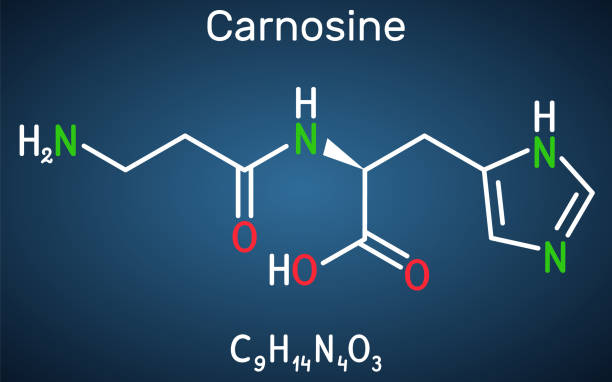
L-Carnosine(CAS 305-84-0), also called carnosine, is a natural dipeptide made from two amino acids: beta-alanine and L-histidine, and is often written chemically as beta-alanyl-L-histidine. In its pure form, L-Carnosine has the molecular formula C9H14N4O3 and is commonly used as a functional ingredient in dietary supplements and specialized nutrition products.
Chemical nature of L-Carnosine
L-Carnosine belongs to a group of small peptides formed by linking just two amino acids together through a peptide bond. In this case, the beta-amino acid beta-alanine is linked to the essential amino acid L-histidine, giving L-Carnosine its characteristic structure and properties.
Because of this specific beta-alanyl-L-histidine structure, L-Carnosine is known as a natural dipeptide rather than a simple amino acid or a longer protein chain. This dipeptide form is important for its stability in the body and for its role as a popular carnosine supplement ingredient in sports nutrition, healthy aging, and antioxidant formulations.
Natural presence in the human body
L-Carnosine is naturally synthesized in the body and is especially concentrated in skeletal muscle and brain tissue, where it can reach relatively high, millimolar-level concentrations. These tissues rely on L-Carnosine as a multifunctional molecule, and its presence is one of the reasons why animal-derived foods such as meat are natural dietary sources of carnosine.
Within the body, L-Carnosine is formed from beta-alanine and histidine by specific enzymes, and its level can be influenced by diet and by supplemental intake of carnosine or beta-alanine. Because muscle and neural tissues are so rich in this dipeptide, L-Carnosine is often associated with applications related to exercise performance, cognitive health and general cellular protection, making it a valuable carnosine supplement ingredient for the nutrition industry.
Industrial and food/nutrition grade sources
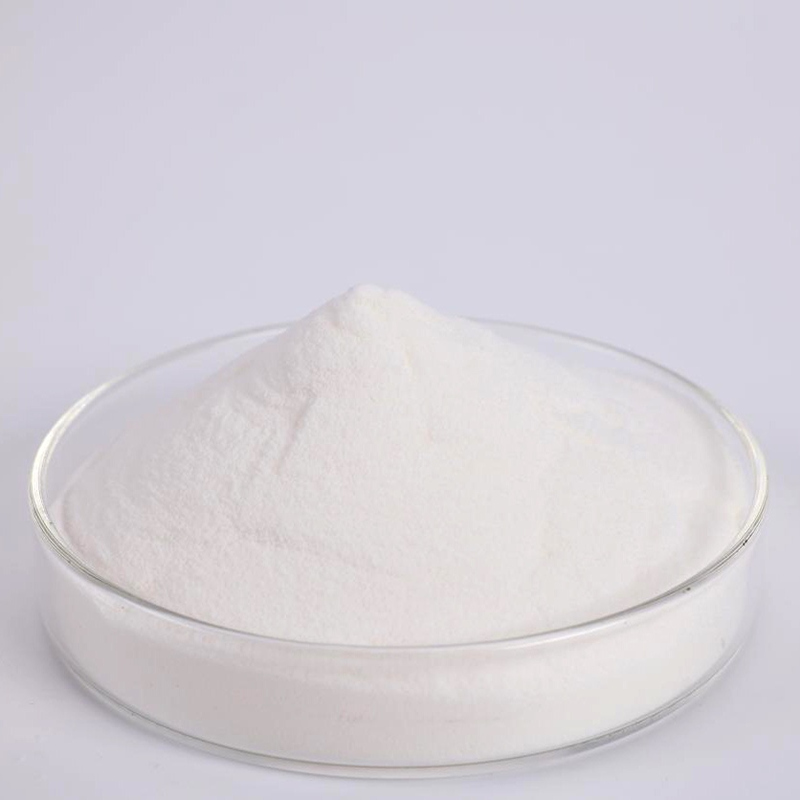
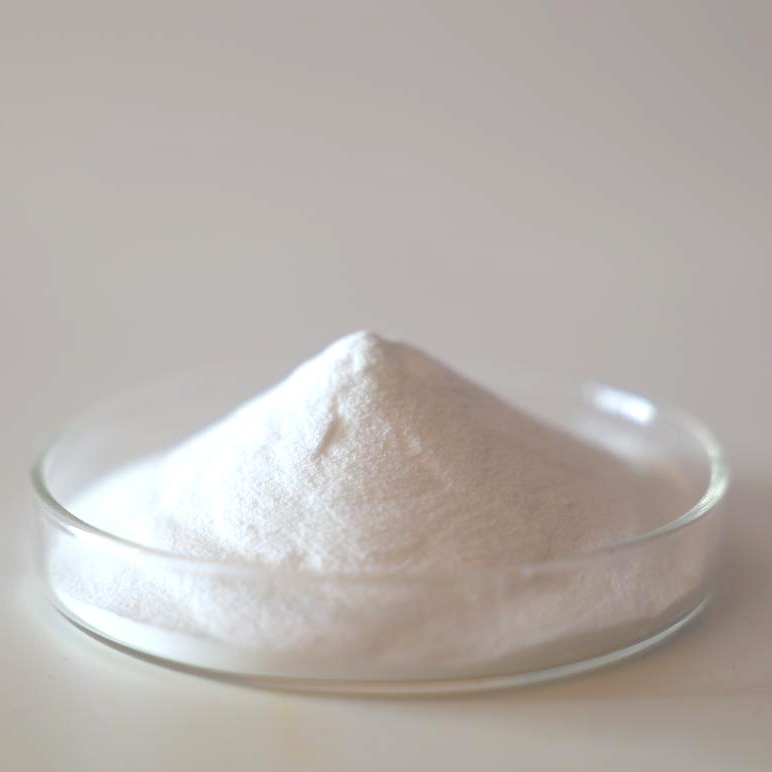
On the industrial side, L-Carnosine is typically produced as a high-purity powder through controlled chemical synthesis or enzymatic processes starting from beta-alanine and L-histidine. These industrial-grade materials are used in research, pharmaceutical intermediates, and various technical applications where consistent quality and defined specifications (such as CAS 305-84-0 and exact molecular weight) are required.
For food, dietary supplement, and nutrition applications, manufacturers rely on food-grade or nutrition-grade L-Carnosine that meets stricter safety, purity and regulatory standards suitable for human consumption. This nutrition-grade L-Carnosine is widely used as a labeled carnosine supplement ingredient in capsules, tablets, premix powders, sports nutrition products and functional foods targeted at muscle health, brain support, and antioxidant protection.
Mechanism of Action of L-Carnosine
L-Carnosine exerts its biological activities through several complementary mechanisms at the molecular level, including antioxidant action, anti-glycation effects, metal ion chelation and intracellular pH buffering that together help maintain cellular homeostasis. These multimodal properties make L-Carnosine a scientifically interesting dipeptide for applications related to oxidative stress, metabolic balance, and long-term cell protection.
Antioxidant mechanism
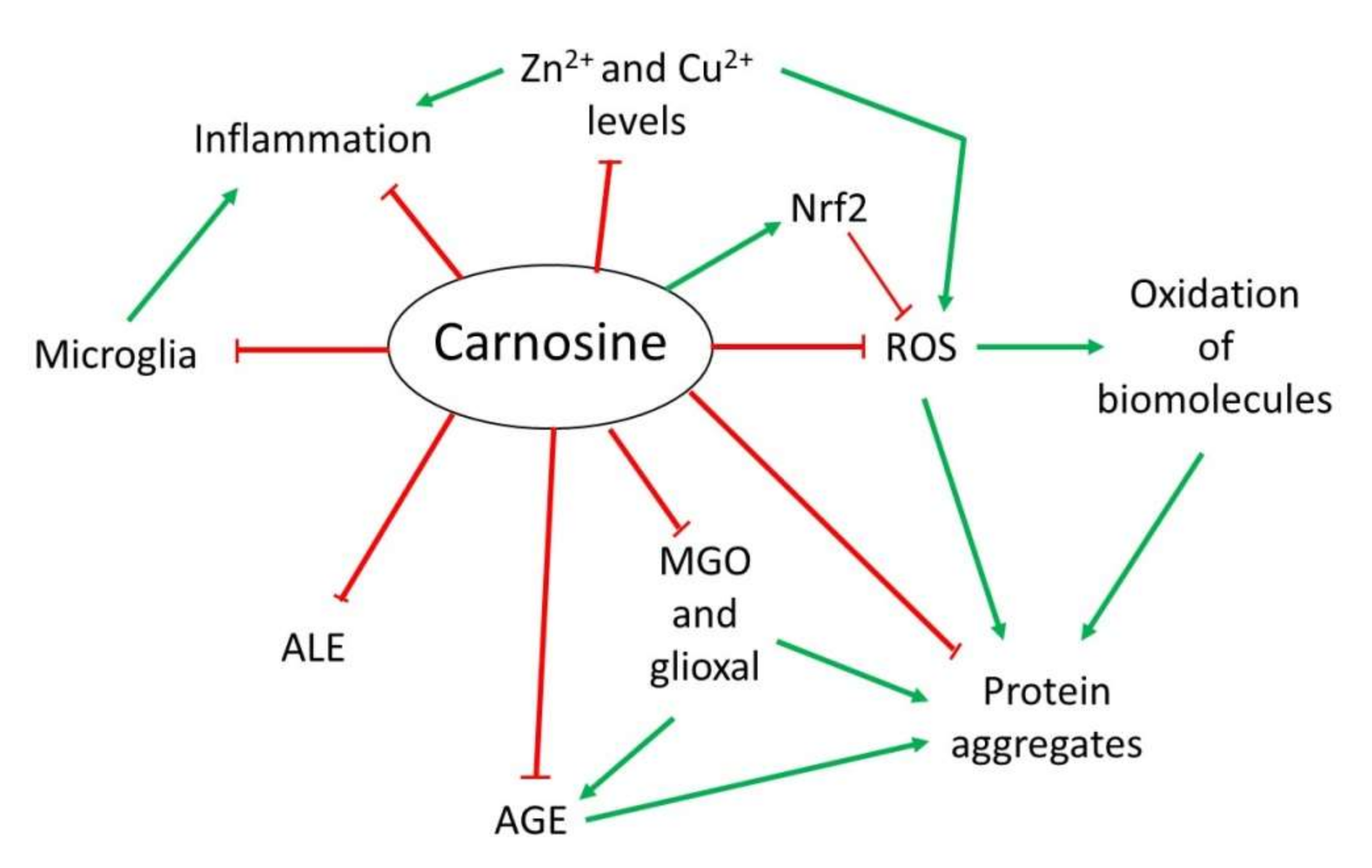
L-Carnosine shows antioxidant activity by directly scavenging reactive oxygen species (ROS) and peroxyl radicals, largely via the imidazole ring of its L-histidine residue. In cellular and animal studies, carnosine also supports endogenous antioxidant defense systems by modulating enzymes such as superoxide dismutase, glutathione peroxidase and catalase, which helps reduce lipid peroxidation, protein oxidation and DNA damage.
Beyond direct radical scavenging, L-Carnosine can reduce oxidative stress indirectly by trapping reactive aldehydes and lipid peroxidation products that otherwise would propagate chain oxidation reactions. Through these combined antioxidant mechanisms, carnosine helps preserve membrane integrity, protein structure and mitochondrial function under conditions of redox imbalance.
Anti-glycation and AGE inhibition
L-Carnosine displays a pronounced anti-glycation effect by reacting with reactive carbonyl species such as methylglyoxal before they can modify long-lived proteins. At the molecular level, carnosine competes with lysine and arginine residues for carbonyl intermediates and forms relatively inert adducts, thereby inhibiting advanced glycation end-product (AGE) formation and subsequent protein cross-linking.
By lowering AGE accumulation, L-Carnosine helps maintain native protein conformation and enzymatic activity and can modulate downstream AGE–RAGE signaling pathways that otherwise promote inflammation and oxidative stress. This anti-glycation mechanism is considered a key biochemical basis for the potential role of carnosine in supporting metabolic health, vascular function, and age-related tissue protection.
Metal ion chelation (Cu, Zn, and others)
The imidazole group of L-histidine in L-Carnosine provides coordination sites that allow the dipeptide to chelate divalent metal ions such as copper and zinc. By binding these transition metals, carnosine can reduce their participation in Fenton-type reactions and metal-catalyzed oxidation processes that generate highly reactive radicals.
Metal ion chelation by L-Carnosine also helps modulate metal-dependent aggregation of certain peptides and proteins, including amyloid-forming species in neural tissues. This metal-buffering capacity is therefore relevant not only for redox control but also for maintaining proteostasis and limiting toxic protein aggregation in sensitive organs such as the brain.
Intracellular pH buffering and muscle support
Inside skeletal muscle and other excitable tissues, L-Carnosine acts as an effective pH buffer due to the pKa characteristics of its imidazole group, which allows it to accept or donate protons near physiological pH. During high-intensity activity and accelerated glycolysis, this buffering capacity helps counteract the accumulation of hydrogen ions, thereby stabilizing intracellular pH and delaying excessive acidification.
By supporting pH homeostasis, L-Carnosine contributes to the maintenance of enzyme function, ion channel activity and contractile protein performance within muscle cells. More broadly, this pH-buffering role is an important biochemical foundation for carnosine’s use in sports nutrition and muscle-focused formulations.
Health Benefits and Functional Effects of L-Carnosine
Anti-aging and cellular protection
Research suggests L-Carnosine may help protect cells from oxidative stress and glycation-related damage, two key mechanisms associated with cellular aging. By limiting oxidative and carbonyl stress, it may support the structural integrity of proteins, lipids and DNA over time.
Experimental studies in cells and animals indicate that L-Carnosine can slow the accumulation of advanced glycation end-products (AGEs) and oxidative modifications, which is why it is often discussed in the context of “healthy aging” and long-term cellular protection rather than as an anti-aging drug.
Muscle function and exercise performance

Because L-Carnosine is naturally concentrated in skeletal muscle and can help buffer pH, research has explored its role in supporting high-intensity exercise performance and delaying fatigue. Studies using carnosine or its precursor beta-alanine often report improved tolerance to intense effort and better maintenance of muscle function.
These findings make L-Carnosine a popular ingredient in sports nutrition formulations aimed at muscle performance, although results vary between individuals, and current data support “performance support” rather than therapeutic claims.
Cognitive support and nervous system
Preclinical and early human studies have examined the potential role of L-Carnosine in brain health, focusing on its antioxidant, anti-glycation and metal-chelating properties in neural tissue. These mechanisms may help protect neurons from oxidative and metabolic stress in experimental models.
Some exploratory research links L-Carnosine supplementation to aspects of cognitive function, mood or neuroprotection, but evidence remains preliminary. Therefore, L-Carnosine is better described as a promising candidate for cognitive support research rather than a proven neuroprotective therapy.
Skin health and antioxidant applications
L-Carnosine is also used in cosmetics and nutricosmetic formulations, where its antioxidant and anti-glycation activities are leveraged to help protect skin proteins such as collagen and elastin from environmental and metabolic stress. In vitro and topical studies suggest it may help reduce the impact of reactive oxygen species and carbonyl compounds on skin structure.
These data support its positioning in anti-aging skincare and beauty-from-within products as a protective, conditioning ingredient, but claims are generally framed around appearance, skin condition and antioxidant support, not around the treatment of dermatological diseases.
Safety Profile and Potential Side Effects of L-Carnosine
General safety overview
L-Carnosine (beta-alanyl-L-histidine) is naturally present in human skeletal muscle and brain tissue, where it is synthesized from beta-alanine and L-histidine and continuously metabolized in normal physiology. Because it is an endogenous compound and also consumed through common foods such as meat, it is generally considered to have a favorable safety profile when used in supplement-like amounts for healthy adults.

Typical dosage ranges
In human studies and commercial dietary supplements, daily oral doses of L-Carnosine commonly fall in the approximate range of 50–1,500 mg per day, often divided into one or two servings. Some trials exploring metabolic or cognitive endpoints have used doses around 500–1,000 mg per day over several weeks to months with generally good tolerability.
Formulators sometimes combine L-Carnosine with other ingredients (such as beta-alanine, vitamins or plant extracts), so the effective daily intake may depend on the specific product design and target application. For regulatory and labeling purposes, it is advisable to align dosage with amounts that have been evaluated in published research and recognized by local authorities or industry guidelines.
Reported side effects and tolerability
Available clinical and observational data suggest that side effects from L-Carnosine are usually mild and infrequent when used at typical supplement doses. Reported adverse events, when they occur, may include nonspecific gastrointestinal discomfort (such as mild nausea or digestive upset) or transient headaches in sensitive individuals.
Applications and Uses of L-Carnosine in Different Industries
Dietary supplements and nutrition formulas
In the dietary supplement sector, L-Carnosine is often used in capsules, tablets, powders and premixes targeting:
-
Healthy aging and cellular protection concepts (antioxidant and anti-glycation support).
-
Muscle function, performance and recovery support, sometimes in combination with beta-alanine, creatine, B vitamins or electrolytes.
In complex nutrition formulas, L-Carnosine can be incorporated into:
-
Brain health and cognitive support blends together with omega-3s, phospholipids, choline or botanical extracts.
-
Comprehensive “multifunctional” formulations that position L-Carnosine as a small but high-value dipeptide ingredient.
Functional foods and beverages

Food and beverage manufacturers use L-Carnosine as a value-adding functional ingredient where regulatory frameworks allow. Typical concepts include:
-
Functional drinks, shots or powdered beverages focused on energy, focus, exercise or active-lifestyle support.
-
Fortified bars, ready-to-drink shakes or dairy/plant-based beverages positioned for sports, vitality or healthy aging.
From a formulation perspective, L-Carnosine’s good water solubility and relatively neutral taste profile make it suitable for:
-
Instant drink mixes, stick packs and effervescent products.
-
Bakery, confectionery or snack formats, where “antioxidant” and “protein-protection” themes are part of the marketing story (within local claim rules).
Pharmaceutical and biomedical research
In the pharmaceutical and biomedical field, L-Carnosine is widely used as a research tool and excipient candidate, especially in:
-
Experimental models studying oxidative stress, glycation, neuroprotection, metabolic disorders and muscle physiology.
-
Investigational formulations (oral, topical or injectable in preclinical settings) to explore its antioxidant, anti-glycation and metal-chelating effects.
In this context, L-Carnosine is handled as a high-purity research or API-related material:
-
Supplied with stringent specifications, impurity profiles and analytical documentation.
-
Evaluated for potential synergy with other actives or as a stabilizer for labile compounds in experimental formulations.
Cosmetics and personal care products
In cosmetics and personal care, L-Carnosine is used as an active or co-active ingredient in:
-
Anti-aging facial creams, serums, and eye-care products are positioned for antioxidant and anti-glycation protection of collagen and elastin.
-
Sun-care, after-sun, and urban-pollution protection concepts, where it contributes to defending skin from oxidative and carbonyl stress.
It is also incorporated into:
-
Body lotions, hand creams and specialty products (e.g., neck or décolleté care) for firmness and elasticity support claims.
-
“Beauty-from-within” nutricosmetics that combine oral L-Carnosine with collagen, hyaluronic acid and vitamins to build a coordinated inside–out skin-health concept.
Why Choose Runtai Chemical as L-Carnosine(CAS 305-84-0) Supplier?
As a specialized chemical and functional ingredient supplier, Runtai Chemical focuses on delivering L-Carnosine with high purity, reliable stability and strict batch consistency suitable for diverse industrial applications. By aligning production and quality control with internationally recognized standards (such as ISO and GMP‑oriented practices where applicable), Runtai Chemical supports customers in meeting the regulatory and quality demands of food, dietary supplement, cosmetic and research markets.
With strong bulk supply capability, export experience and responsive technical and commercial service, Runtai Chemical can provide flexible packaging, documentation and support tailored to your specific formulation and market needs. Partnering with a professional L-Carnosine supplier like Runtai Chemical helps brand owners and manufacturers reduce risk, protect product reputation and build differentiated solutions for global end users.
Conclusion
L-Carnosine is a well-researched dipeptide with versatile functional properties, including antioxidant activity, anti-glycation effects, and cellular protection. Its naturally occurring presence in the human body, combined with a favorable safety profile, has positioned it as a valuable ingredient across a wide range of industries, from dietary supplements and functional foods to pharmaceuticals and cosmetic formulations.
As a professional chemical supplier, Runtai Chemical is committed to providing high-quality L-Carnosine that meets the needs of customers worldwide. With strict quality control standards and dependable bulk supply capabilities, we support our partners in developing effective, compliant, and market-ready products. For more information on our L-Carnosine specifications or to discuss your sourcing requirements, please feel free to contact our team.