Introduction
Inulin is a naturally occurring soluble dietary fiber that has gained increasing attention in the food, nutrition, and pharmaceutical industries. Derived primarily from plant sources such as chicory root, inulin is classified as a prebiotic fiber, meaning it supports the growth of beneficial gut bacteria while remaining indigestible in the human small intestine.
Thanks to its functional properties and clean-label appeal, inulin is widely used in functional foods, dietary supplements, and medical nutrition products. It helps improve digestive health, enhances mineral absorption, and can also be used as a sugar or fat replacer without compromising taste or texture. These advantages make inulin an ideal ingredient for manufacturers seeking plant-based, health-oriented solutions.
In this article, we will explore what inulin is, where it comes from, its key health benefits, possible side effects, and its diverse applications across different industries.
What Is Inulin?
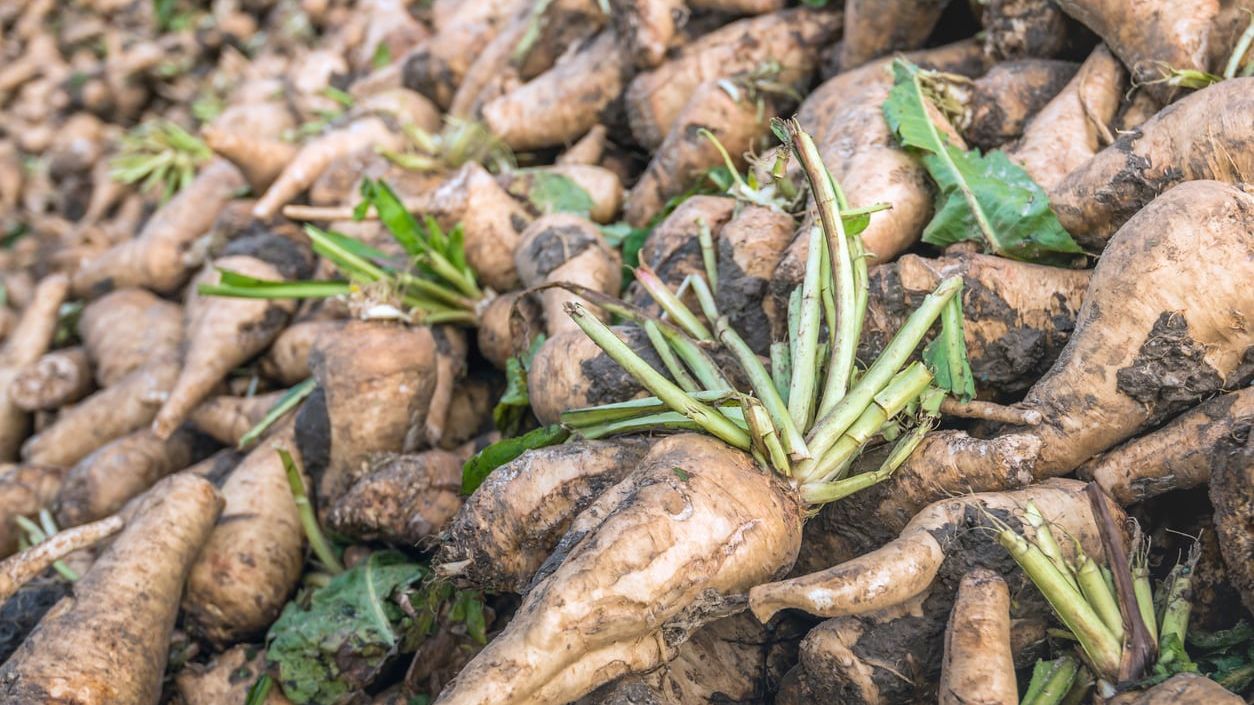
In simple terms, inulin is a type of soluble dietary fiber naturally found in many plants such as chicory root, Jerusalem artichoke, and agave. It belongs to a group of carbohydrates known as fructans, which are composed mainly of fructose molecules linked together in long chains. This unique structure makes inulin resistant to digestion in the small intestine, meaning it passes through to the large intestine almost intact.
Because of its neutral taste and high solubility, it can be easily incorporated into beverages, baked goods, nutritional supplements, and healthcare products to enhance both texture and fiber content.
How It Works: The Fibe Factor
Inulin is classified as a soluble fiber. Unlike other carbohydrates that are broken down by stomach acid and enzymes, inulin is “digestion-resistant.”
Small Intestine: Inulin passes through the upper gastrointestinal tract completely untouched. It does not raise blood sugar or trigger an insulin response.
Large Intestine: Once it reaches the colon, it acts as a prebiotic fiber. It becomes a fermented food source for your “good” bacteria (probiotics), helping them thrive and maintain a balanced gut ecosystem.
Natural Sources of Inulin
Inulin occurs naturally in a wide variety of plants, where it serves as a storage form of energy. As a plant-based soluble fiber, inulin is especially abundant in roots and tubers. Some of the richest natural sources include chicory root, Jerusalem artichoke, agave, garlic, onion, wheat, and banana.
Chicory Root: The most concentrated source (approx. 15–20% inulin by weight).
Jerusalem Artichoke: Also known as sunchokes, these provide a high yield of high-purity fructans.
Agave: Often used to produce agave inulin, which is popular in liquid formulations.
Garlic and Onions: These kitchen staples contain smaller amounts of prebiotic fiber.
Wheat and Barley: Common cereal grains that contribute to daily fiber intake, though in lower concentrations.
Bananas: A source of inulin when they are slightly underripe.
How Is Inulin Produced?
Commercial inulin production primarily relies on chicory root extraction, a carefully controlled process designed to ensure high purity and consistent quality. The process begins with freshly harvested chicory roots, which are thoroughly cleaned and sliced to release their natural inulin content. The soluble inulin is then extracted using warm water in a gentle diffusion process that preserves its natural structure and functionality.
After extraction, the inulin solution undergoes several steps of filtration and purification to remove unwanted plant materials and sugars. This is followed by concentration and drying, typically through spray-drying or crystallization, to produce high-purity inulin powder or granules suitable for food and pharmaceutical applications.
Health Benefits of Inulin
 As a scientifically recognized prebiotic fiber, inulin offers a wide range of health-promoting effects that make it a valuable ingredient in functional foods and dietary supplements. Its unique ability to nourish beneficial gut bacteria has been extensively studied and linked to improved digestive and overall wellness.
Supports Gut Microbiota Balance
Inulin acts as a natural food source for beneficial bacteria such as Bifidobacteria and Lactobacilli. Promoting their growth helps maintain a balanced gut microbiota, which is essential for a healthy immune system and efficient nutrient absorption.
Improves Digestive Health
As a digestive health fiber, inulin enhances regularity and supports healthy bowel function. Because it is fermented slowly in the colon, it helps prevent common digestive issues such as constipation while maintaining a gentle, natural effect on the digestive tract.
Enhances Mineral Absorption
Research shows that inulin improves the body’s ability to absorb important minerals like **calcium and magnesium**, contributing to stronger bones and better metabolic function. This makes it an attractive ingredient for food formulations targeting bone health and general nutrition.
Helps Control Blood Sugar
Inulin has a low glycemic index and does not cause sudden spikes in blood glucose levels. By slowing carbohydrate digestion and promoting balanced energy release, it can help support healthy blood sugar control, an important factor for diabetic and weight-conscious consumers.
Supports Weight Management

Because inulin provides natural sweetness and enhances satiety without adding calories, it plays a supportive role in weight management and reduced-calorie product development. It helps consumers feel fuller for longer, making it useful in functional foods, meal replacements, and healthy snacks.
Possible Side Effects of Inulin
While inulin is generally recognized as safe and well-tolerated, some individuals may experience mild digestive side effects, particularly when consuming large amounts or introducing it suddenly into their diet. As a fermentable fiber, inulin is broken down by bacteria in the large intestine, a process that can produce gas as a natural byproduct.
Common Digestive Reactions
The most frequently reported effects include bloating, gas, mild cramping, or gastrointestinal discomfort. These reactions are typically temporary and subside as the digestive system adapts, and the gut microbiota becomes more balanced.
Individual Tolerance Differences
Tolerance to inulin can vary from person to person. While many individuals benefit from its prebiotic action even at moderate doses, those with sensitive digestion or conditions like irritable bowel syndrome (IBS) may need to start with smaller amounts.
Recommended Intake Approach
To minimize side effects, it’s advisable to increase inulin intake gradually. Starting with a low dose and allowing the body time to adjust can significantly reduce discomfort. Pairing inulin with adequate hydration and balanced meals also helps improve tolerance.
Uses of Inulin in Different Industries
Thanks to its versatility and health-promoting properties, inulin is used across a wide range of industries, including food and beverage, dietary supplements, and pharmaceutical or medical nutrition products. Its natural origin, mild taste, and multifunctional benefits make it a highly sought-after ingredient in modern product formulations.
Inulin in the Food & Beverage Industry

In the food and beverage industry, inulin serves multiple roles as a fiber enhancer, sugar replacement, and fat replacer. It helps manufacturers increase the fiber content of products naturally while improving mouthfeel and texture. Inulin’s mild sweetness and low caloric value make it an ideal ingredient for reduced-sugar or low-fat foods, including yogurt, baked goods, dairy alternatives, beverages, and snacks.
Additionally, inulin contributes to a creamy, smooth texture—similar to fat—without compromising taste, which makes it valuable in formulating healthier versions of traditionally rich foods.
Inulin in Dietary Supplements
In the dietary supplement market, inulin supplements are popular for their prebiotic and digestive health benefits. They are available in various forms such as powders, capsules, tablets, and prebiotic blends, often combined with probiotics or vitamins to create synergistic effects on gut health.
Because it dissolves easily and has a neutral flavor, inulin is well suited for functional drinks, nutrition powders, and fiber-enriched wellness products targeting consumers who want natural solutions for digestive support and overall well-being.
Inulin in Pharmaceutical & Medical Nutrition
In the pharmaceutical and medical nutrition sectors, pharmaceutical-grade inulin is valued for its safety, purity, and physiological functionality. It is used as a dietary fiber ingredient in specialized nutrition products designed to support gut health, immune balance, and recovery after illness.
Moreover, inulin can be utilized in controlled-release formulations, where its non-digestible nature helps regulate the release of active compounds in the gastrointestinal tract. This makes it a reliable component in medical nutrition fiber formulations and therapeutic supplements aimed at targeted metabolic and digestive benefits.
Why Inulin Is Popular in Functional Nutrition
In today’s health-conscious marketplace, inulin has become one of the most sought-after functional fibers. Its natural origin, nutritional benefits, and versatility align perfectly with growing global trends toward clean label, plant-based, and low-sugar product formulations.
Clean Label and Plant-Based Appeal
Consumers and manufacturers alike are shifting toward clean label ingredients—simple, recognizable, and naturally derived components. As a plant-based ingredient sourced from chicory root and other natural plants, inulin fits seamlessly into this movement. It enables food and supplement brands to enhance fiber content, improve mouthfeel, and deliver health benefits without artificial additives or chemical processing.
Meeting Sugar Reduction and Digestive Health Demands
The global push for sugar reduction and improved digestive health has significantly increased demand for inulin. It provides natural, mild sweetness and acts as a prebiotic fiber that supports a balanced gut microbiome. This makes inulin a dual-purpose ingredient: it improves both nutritional quality and sensory experience in modern formulations.
A Future-Proof Functional Ingredient
With rising interest in functional nutrition, sustainability, and holistic wellness, inulin stands out as a future-proof ingredient. It bridges performance and health—meeting the needs of consumers seeking natural, effective, and environmentally friendly fiber solutions. As a result, inulin continues to play a leading role in next-generation functional foods, beverages, and nutraceutical products worldwide.
Where to buy inulin powder? Why Choose Runtai Chemical as Your Inulin Supplier

Purity and Specifications
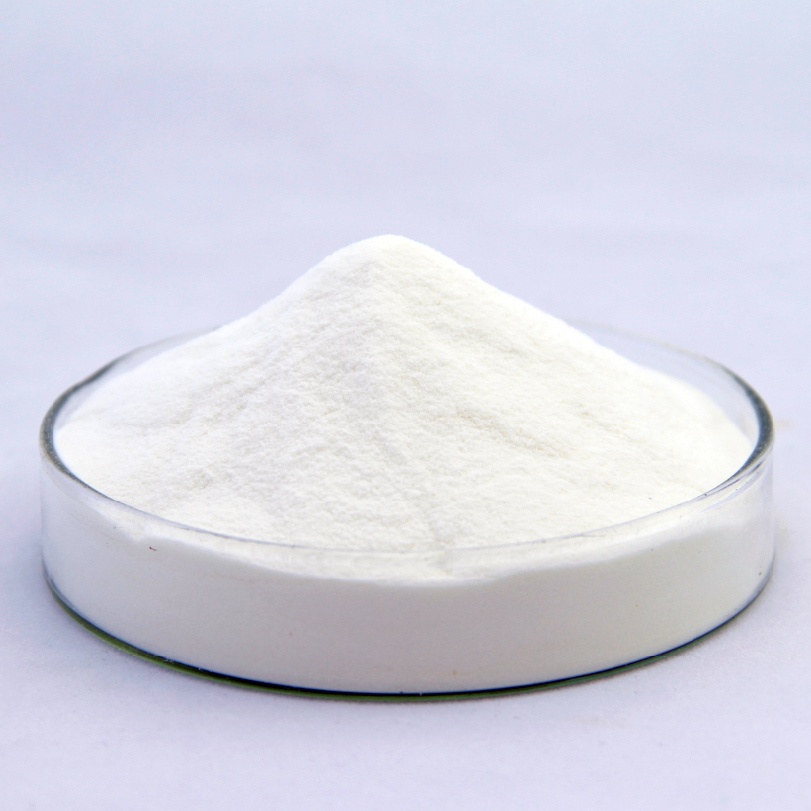
High-quality inulin should offer high purity, neutral taste, white appearance, and excellent solubility. Runtai Chemical provides detailed technical specifications and Certificates of Analysis (COA) for each batch, ensuring that the inulin meets required parameters for moisture, fiber content, and microbiological safety.
Batch Consistency and Quality Control
Consistent quality across batches is essential for large-scale manufacturing. As a professional inulin manufacturer, Runtai Chemical strictly adheres to the quality management system to ensure stable and consistent performance of each batch of products.
Certifications and Compliance
Runtai Chemical strictly adheres to ISO quality standards in production and operation, and follows safety and hygiene regulations applicable to food, nutritional supplements, and pharmaceutical applications to ensure product consistency, safety, and traceability.
Export Experience and Reliability
For international buyers, working with a supplier experienced in global export and logistics is equally important. Runtai Chemical handles documentation, customs procedures, and international shipping efficiently—ensuring timely delivery and regulatory compliance in different markets.
Conclusion
Inulin is a versatile and naturally derived dietary fiber that offers significant benefits across food, nutrition, and pharmaceutical applications. Sourced mainly from chicory root, it functions as a prebiotic fiber that supports digestive health, improves mineral absorption, and helps meet the growing demand for clean-label and plant-based ingredients.
With its ability to enhance fiber content, reduce sugar and fat, and improve product texture, inulin has become an essential ingredient in functional foods, dietary supplements, and medical nutrition products. While moderate consumption is generally well tolerated, understanding dosage and formulation is key to maximizing its benefits and minimizing potential digestive discomfort.
As consumer awareness of gut health and functional nutrition continues to rise, inulin remains a future-proof ingredient with strong market potential. Choosing a reliable supplier with consistent quality, clear specifications, and global export experience is crucial for successful product development. Runtai Chemical is committed to providing high-quality inulin solutions to support your formulation needs and long-term business growth.