Introduction
Glutathione is a naturally occurring tripeptide widely recognized for its powerful antioxidant properties and essential role in cellular protection. Composed of glutamic acid, cysteine, and glycine, glutathione plays a critical role in maintaining redox balance, supporting detoxification processes, and protecting cells from oxidative stress. As demand grows across the pharmaceutical, nutraceutical, cosmetic, and functional food industries, glutathione has become an increasingly important ingredient in a wide range of formulations.
This article provides a comprehensive overview of glutathione, covering its production methods, biological mechanisms, potential health benefits, safety considerations, and key industrial applications.
What Is Glutathione?
Basic definition
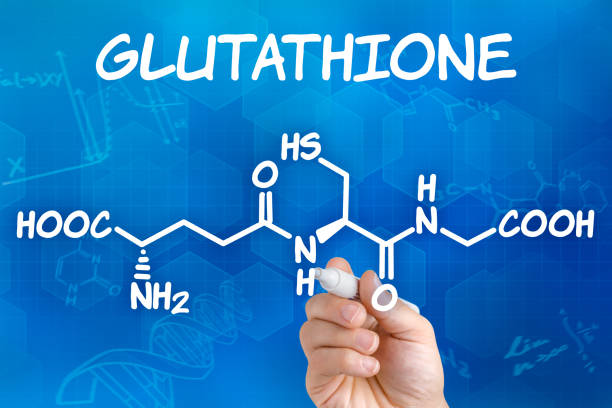
Glutathione is an organic tripeptide widely present in almost all aerobic organisms and many microorganisms, functioning as one of the most important low–molecular weight antioxidants in cells. In biochemical and industrial contexts, it is commonly referred to simply as “glutathione” or by the abbreviation “GSH” when indicating its reduced form.
Chemical structure
Structurally, glutathione is formed by glutamic acid, cysteine, and glycine linked in sequence, with a special γ‑peptide bond between the side‑chain carboxyl of glutamate and the amino group of cysteine, and a conventional peptide bond between cysteine and glycine.
This unique γ‑glutamyl linkage distinguishes glutathione from typical peptides and contributes to its stability against common intracellular peptidases, which is important for both biological function and industrial handling.
Reduced GSH and oxidized GSSG
In the body, glutathione mainly exists in two interconvertible forms: reduced glutathione (GSH) and oxidized glutathione (GSSG), and the balance between these forms reflects cellular redox status.
Reduced glutathione (GSH) is the active antioxidant species that directly scavenges reactive oxygen species and free radicals, while oxidized glutathione (GSSG) is formed when two GSH molecules are linked via a disulfide bond after oxidation.
Core antioxidant role
GSH participates in the detoxification of peroxides and other reactive species through enzyme systems such as glutathione peroxidase, thereby helping protect cellular lipids, proteins, and DNA from oxidative damage.
Under normal physiological conditions, up to about 90–98% of cellular glutathione is in the reduced GSH form, and a shift toward higher GSSG levels is widely used as an indicator of oxidative stress and impaired cellular health.
Importance in human and industrial fields
In the human body, glutathione is abundant in organs such as the liver and plays key roles in antioxidant defense, Phase II detoxification, and maintenance of redox-sensitive signaling pathways, which has driven strong demand for pharmaceutical and nutraceutical grade GSH.
In industry, glutathione and reduced glutathione (GSH) are used as functional ingredients in pharmaceuticals, dietary supplements, cosmetics, and some food applications, where their antioxidant and reducing properties help stabilize formulations and support health-oriented product positioning.
Production Methods of Glutathione
Microbial fermentation method
Modern industrial production of glutathione primarily relies on microbial fermentation using engineered strains of yeast or bacteria that overexpress enzymes in the glutathione biosynthesis pathway.
Fermentation processes are well suited to large stainless‑steel bioreactors, enabling high volumetric productivity, relatively low raw‑material costs, and easier scale‑up for food, cosmetic, and pharmaceutical applications.

Enzymatic synthesis method
Enzymatic (biocatalytic) production uses isolated enzymes such as γ‑glutamylcysteine synthetase and glutathione synthetase to catalyze stepwise synthesis from amino acid substrates under controlled conditions.
This route can achieve very high purity and a well‑defined product profile, making it attractive for laboratory use, specialty pharmaceutical intermediates, and situations where precise control of impurities is critical, though at a higher production cost and smaller scale.
Differences in purity, cost, and scale
Fermentation‑derived glutathione generally offers a favorable balance of good purity, competitive cost per kilogram, and strong scalability, which is why it dominates global bulk supply.
Enzymatic processes typically deliver higher chemical and optical purity with lower levels of by‑products, but require more expensive enzymes, substrates, and process control, limiting their use mainly to high‑value or low‑volume segments.
Advantages of fermentation for industrial and pharma grade
For industrial‑grade and pharmaceutical‑grade glutathione, fermentation technology provides consistent quality, robust batch‑to‑batch reproducibility, and regulatory‑friendly production records that support GMP compliance and global registrations.
Mature fermentation platforms also allow manufacturers to fine‑tune parameters such as strain selection, medium composition, and downstream purification, helping achieve targeted specifications for reduced glutathione (GSH) while maintaining attractive cost‑effectiveness for large international buyers.
Mechanism of Action: How Does Glutathione Work?
The Antioxidant Mechanism
The primary role of glutathione is the direct neutralization of Reactive Oxygen Species (ROS) and free radicals.
Direct Scavenging: Thanks to the active thiol group (-SH) on the cysteine residue, GSH acts as an electron donor. It “sacrifices” itself by donating an electron to unstable free radicals, neutralizing them before they can damage cell membranes or mitochondria.
The Redox Balance: In this process, two GSH molecules join to form Oxidized Glutathione (GSSG). An efficient biological system (or a well-formulated supplement) uses the enzyme glutathione reductase to convert GSSG back into GSH, creating a continuous cycle of protection that maintains a healthy redox balance.
Phase II Detoxification: The Body’s Conjugation Agent
In industrial and pharmaceutical applications, glutathione is highly valued for its detoxification capabilities. It is a key player in “Phase II Conjugation” in the liver:
Binding Toxins: Glutathione binds to fat-soluble toxins, heavy metals (like mercury and lead), and metabolic waste, transforming them into water-soluble compounds that can be easily excreted.
Cellular Cleanup: By removing these industrial and environmental pollutants, GSH prevents “cellular sludge” from accumulating, which is why it is a popular ingredient in liver-support and detox products.
Comprehensive Cellular Protection
Beyond just “cleaning up,” glutathione acts as a shield for the most sensitive parts of the cell:
DNA Protection: It prevents oxidative damage to DNA, reducing the risk of mutations.
Protein & Lipid Stability: It prevents the oxidation of cellular lipids (which leads to aging) and maintains the structural integrity of proteins.
Immune System Modulation: By protecting lymphocytes (white blood cells) from oxidative stress, glutathione ensures that the immune system remains “primed” and ready to respond to pathogens.
Potential Health Benefits of Glutathione
Superior Antioxidant Benefits & Oxidative Stress Management
The most recognized of all antioxidant benefits is glutathione’s ability to combat oxidative stress. Oxidative stress is a primary driver of aging and various chronic conditions. By neutralizing free radicals, glutathione can support healthy aging and cellular longevity, and protect vital organs from the damage caused by environmental pollutants and UV radiation.
Acts as a “force multiplier” for other antioxidants like Vitamin C and E, regenerating them for continued use.
Comprehensive Immune Support
Glutathione is essential for the optimal performance of the immune system. It acts as a fuel for white blood cells, particularly T-cells and lymphocytes.
Immune Support: It ensures that the immune system has the “cellular energy” required to mount a robust defense against pathogens.
Inflammation Balance: By regulating the redox state of cells, it helps maintain a balanced inflammatory response, which is a key selling point for modern immune support formulations.
Liver Function and Natural Detoxification

The liver contains the highest concentration of glutathione in the human body. As a key component in detoxification pathways, GSH can facilitate the safe excretion of metabolic wastes and heavy metals. Supports liver enzyme health, making it a cornerstone ingredient for “liver detox” or “hangover recovery” supplement brands.
Skin Health and Radiance
In the cosmetic and nutricosmetic industry, glutathione is a “star ingredient.” Its benefits for skin health go beyond simple protection:
Melanin Inhibition: It is widely used in formulations aimed at skin brightening and evening out skin tone by inhibiting the tyrosinase enzyme.
Anti-Photoaging: By protecting skin cells from oxidative damage caused by the sun, it helps reduce the appearance of fine lines and wrinkles.
Safety, Dosage, and Side Effects of Glutathione
General Safety and Regulatory Status
Glutathione is widely recognized for its safety across major global markets.
GRAS Status: In many regions, glutathione has been evaluated as Generally Recognized as Safe (GRAS) for use in food and dietary supplements.
Global Compliance: It is a permitted ingredient in health products in the United States, the European Union, and throughout Asia (where it is particularly popular in the Japanese and Korean cosmetic markets).
Form-Specific Safety Considerations
The safety of glutathione can vary depending on the delivery method. For manufacturers, it is important to match the grade of the raw material to the intended use:
Oral Administration: Dietary supplements (capsules, tablets, and powders) are the most common application. These are considered highly safe for long-term consumption when adhering to recommended guidelines.
Topical Application: In the cosmetic industry, glutathione is used in creams and serums. It is non-irritating for most skin types and provides excellent antioxidant protection.
Injectable Formats: While popular in some regions for clinical use, high-concentration IV glutathione should only be administered by medical professionals to ensure safety and efficacy.
Recommended Safe Dosage
While there is no universal “standard” dose, typical safe dosage ranges in the industry vary by application:
Health Supplements: Most oral formulations range from 250 mg to 1,000 mg per day.
Cosmetic Formulations: Usually included at concentrations of 0.1% to 2%, depending on the desired brightening effect.
Note for Formulators: We always recommend that our clients conduct stability and safety testing on their final formulations to comply with local health authority regulations.
Potential Glutathione Side Effects
Digestive Sensitivity: Some users report mild bloating, gas, or stomach cramps when taking oral supplements.
Allergic Reactions: In rare cases, individuals sensitive to sulfur-containing compounds might experience a skin rash or respiratory symptoms.
Zinc Levels: Long-term, high-dose supplementation has been linked in some studies to a potential decrease in zinc levels, suggesting that balanced formulations are best.
Applications of Glutathione in Different Industries
Pharmaceuticals & Health Supplements
In the medical field, glutathione in pharmaceuticals is highly regarded for its therapeutic efficacy. It is a core ingredient in treatments designed to support liver health, aiding in the recovery from conditions such as fatty liver and hepatitis by enhancing the body’s natural detoxification pathways. Furthermore, as a premium dietary supplement, glutathione is encapsulated into anti-aging and immune-boosting formulas, providing a robust defense against chronic oxidative stress for health-conscious consumers.
Cosmetics & Personal Care

The beauty industry has revolutionized the use of glutathione as a “hero ingredient” for skin radiance. In cosmetics, it is primarily utilized for its melanin-inhibiting properties; by suppressing the tyrosinase enzyme, it helps achieve a brighter and more even skin tone. Beyond whitening, its antioxidant capacity facilitates intensive skin repair, protecting the dermal layers from UV-induced damage and environmental pollutants, which is why it is a staple in high-performance serums and anti-aging creams.
Food & Nutrition Industry
Within the food sector, glutathione acts as a powerful functional ingredient and nutritional enhancer. It is increasingly incorporated into “beauty-from-within” beverages, sports nutrition powders, and functional snacks to elevate their antioxidant profile. Additionally, in food processing, GSH can serve as a natural stabilizer, helping to maintain the structural integrity and extend the shelf life of various products without the need for harsh synthetic additives.
Research & Biotechnology
In the realm of scientific innovation, glutathione is an essential tool for research and biotechnology. It serves as a high-purity analytical reagent used in protein purification processes—specifically in the GST-tagging system. Laboratory researchers also rely on GSH as a critical component in cell culture media to regulate redox conditions, allowing for the precise study of oxidative stress, drug metabolism, and cellular signaling pathways.
Where to buy glutathione: Why choose Runtai Chemical as your Glutathione supplier
Runtai Chemical can position itself as a dependable glutathione supplier from China by combining strict supplier qualification, standardized quality control, and responsive international logistics services.
By offering clear specifications, complete documentation (COA, MSDS, and related certificates), competitive pricing, and flexible order arrangements, Runtai Chemical can support manufacturers and brand owners worldwide in developing high‑quality glutathione‑based formulations in pharmaceuticals, supplements, cosmetics, and functional foods.
Conclusion
Glutathione plays a vital role in modern health, nutrition, and pharmaceutical applications due to its powerful antioxidant properties and multifunctional biological activity. From supporting cellular defense and detoxification to enhancing product performance in supplements, cosmetics, and pharmaceutical formulations, glutathione continues to demonstrate strong commercial and scientific value.
As global demand for high-quality glutathione continues to grow, selecting a reliable and experienced supplier becomes increasingly important. Consistent product quality, controlled manufacturing processes, and regulatory compliance are essential to ensuring safety, stability, and performance across applications.