Introduction
What Is Chitosan and Why It Matters in Cosmetics

Chitosan is a natural polymer obtained from chitin, which is primarily found in the exoskeletons of crustaceans such as crabs, shrimps, and lobsters. Through a process called deacetylation, the acetyl groups in chitin are removed to produce chitosan, resulting in a biopolymer with free amine groups (NH2). This structural modification transforms chitin, a rigid and insoluble material, into chitosan, which is more versatile and soluble in acidic environments.
As a natural polymer, chitosan is the second most abundant biopolymer in the world, right after cellulose. However, unlike synthetic polymers that often raise environmental concerns, chitosan is fully biodegradable and non-toxic. Its high biocompatibility means it is well-tolerated by the human body, making it an ideal candidate for sensitive skincare and haircare applications.
A unique and important trait of chitosan is its cationic (positively charged) nature. In cosmetic formulations, this positive charge allows chitosan to interact with negatively charged surfaces, such as skin and hair, improving product performance. These interactions contribute to film-forming, moisture-retaining, and protective qualities, making chitosan an effective component in various skincare, haircare, and makeup products.
Skin Conditioning & Moisturizing Properties
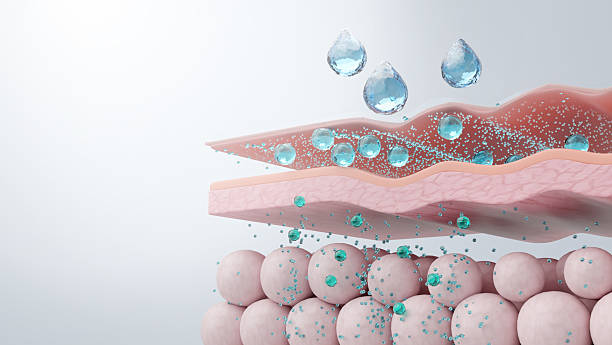
Chitosan creates a thin, flexible, and breathable film when applied to the skin, acting as a protective barrier that helps shield against external irritants and pollution while allowing for natural skin respiration. This film is semi-occlusive—it does not block pores, which makes it ideal for cosmetic formulations aiming for comfort and skin health.
This unique film-forming ability helps retain moisture within the skin by significantly reducing transepidermal water loss (TEWL). Chitosan’s hydrophilic nature allows it to attract and hold water, making it a strong humectant similar to ingredients like hyaluronic acid. The presence of chitosan in skincare products supports lasting hydration, even under dry environmental conditions. Regular use leads to noticeably softer, more supple skin.
Chitosan also supports the skin’s natural barrier by strengthening lipid organization in the stratum corneum and reinforcing ceramide structure, which helps protect against moisture loss and irritation. These actions enhance overall skin barrier health, leaving the skin more resilient and less prone to dryness and sensitivity.
Chitosan as an Antibacterial & Preservative Booster
Chitosan shows broad-spectrum antibacterial and antifungal activity, which makes it very valuable in modern cosmetic formulations. Because chitosan is a cationic polymer, its positively charged amino groups can bind to negatively charged components on microbial cell surfaces, disrupting the cell membrane, leaking intracellular contents, and ultimately inhibiting or killing bacteria and fungi. This mechanism works against many common cosmetic-contaminating microbes and skin pathogens, including species associated with acne, odor formation, and product spoilage.
In cosmetic formulas, chitosan’s antimicrobial effect can act as a “preservative booster,” helping to control microbial growth within the product itself. When used correctly, it can support the action of conventional preservatives, allowing formulators, in some cases, to reduce total preservative load while still maintaining microbiological safety and regulatory compliance. This can be especially attractive for “mild,” “low-preservative,” or “clean beauty” concepts where brands want to minimize traditional preservative levels without sacrificing stability.
Additionally, chitosan’s film-forming nature helps create a hostile environment for microbes at the product–skin interface, further enhancing safety during use and contributing to longer shelf life. By combining barrier formation with direct antimicrobial activity, chitosan not only protects the formula but also supports safer, more hygienic application for the end user over the full lifespan of the product.
Film-Forming & Texture Improvement in Formulations
Chitosan is widely used as a film-forming agent in cosmetics, creating a thin, uniform, and flexible layer on the skin or hair surface that helps lock in moisture and protect against external stressors. Because of its positive charge, chitosan adheres well to negatively charged skin and hair, which improves product substantivity and long-lasting performance in creams, serums, masks, and makeup.
In formulations, chitosan can function as a mild rheology modifier and stabilizer, helping to control viscosity and improve the stability of emulsions and gels. This contributes to better spreadability, more even distribution of active ingredients, and reduced syneresis or phase separation over shelf life. Formulators often select specific molecular weights or derivatives of chitosan to fine-tune flow behavior, from light, fluid lotions to richer creams.
From a sensory perspective, chitosan enhances the application feel by giving products a smooth, soft glide and a pleasant, non-greasy after-feel. The uniform chitosan film can make skin feel silky and conditioned, and in haircare it improves combability, reduces roughness, and adds perceived thickness and body. These texture and sensory improvements support premium positioning for skincare, haircare, and color cosmetics that aim for a professional, elegant touch.
Anti-Aging & Skin Repair Applications
Chitosan is increasingly used in anti-aging skincare because it helps reduce the visible appearance of fine lines and wrinkles by improving skin hydration, elasticity, and surface smoothness. Its film-forming and antioxidant properties help protect skin from environmental stress and free radical damage, which are key drivers of premature aging.
Research indicates that chitosan can support collagen production and help preserve existing collagen by shielding it from oxidative stress and enzymes that break down collagen. By promoting a more organized collagen structure during skin regeneration, chitosan contributes to firmer, plumper, and more youthful-looking skin over time.
Chitosan also aids skin renewal and repair due to its biocompatibility and role in wound-healing processes, supporting proper tissue organization and faster recovery of damaged or stressed skin. In cosmetics, it frequently serves as a bioactive carrier for anti-aging ingredients—such as peptides, vitamins, and antioxidants—improving their stability, skin adherence, and controlled release for enhanced efficacy in serums, creams, masks, and targeted treatments.
Applications of Chitosan in Hair Care Products
Chitosan is widely used in hair care as a cationic, film-forming polymer that adheres strongly to the negatively charged hair surface, especially damaged cuticles. By forming a uniform, flexible film along the hair shaft, it helps smooth lifted or rough cuticle scales, which directly improves hair feel and manageability while acting as a natural anti-frizz agent.
This cuticle-smoothing film increases surface uniformity, allowing light to reflect more evenly and giving hair a healthier, glossier appearance. At the same time, chitosan’s conditioning and strengthening effects can enhance hair elasticity and mechanical resistance, helping to reduce breakage and split ends in chemically treated or heat-damaged hair.
In coloring products, the positive charge and film-forming nature of chitosan help keep dye molecules closer to the hair fiber and improve their adhesion, which can support better color uptake and longer-lasting color intensity between washes. Its antimicrobial activity and ability to modulate sebum and moisture on the scalp contribute to a more balanced scalp microecology, helping control dandruff-related microbes and supporting a healthier scalp environment for hair growth.
Applications in Makeup and Personal Care
Chitosan is used in many makeup and personal care formats as a natural cosmetic polymer that provides film-forming, moisturizing, and stabilizing functions. In liquid and cream foundations, BB/CC creams, and tinted moisturizers, chitosan helps stabilize the emulsion, improve pigment dispersion, and enhance adherence to the skin, which supports longer wear, more even coverage, and reduced transfer. Its breathable film also helps retain moisture, so complexion products feel comfortable and less drying throughout the day.
In lotions, sunscreens, and facial serums, chitosan works as a light rheology modifier and structure-support polymer, improving viscosity control and preventing phase separation during storage. This translates into a smoother, more consistent texture, better spreadability, and more uniform distribution of UV filters or active ingredients on the skin surface. Because chitosan binds water and forms a hydrophilic film, it also boosts the moisturizing and barrier-support claims of daily care and sun care products.
Cleansing gels, micellar cleansers, and facial washes can incorporate chitosan to reduce irritation, condition the skin, and support mild antimicrobial and sebum-balancing effects while maintaining clarity and foam stability. In deodorants and body sprays, chitosan contributes to odor control thanks to its antimicrobial activity and film-forming properties, helping to limit the growth of odor-causing bacteria while keeping formulations physically stable and cosmetically elegant. These multifunctional roles allow brands to simplify ingredient lists and support “clean beauty” positioning by partially replacing synthetic polymers, thickeners, and preservatives with a single, bio-based polymer.
Grades & Viscosity Selection for Cosmetic Use
The chitosan grade is usually defined by molecular weight (chain length) and corresponding solution viscosity in acidic media, which directly affects texture, film strength, and application method. Higher molecular weight chitosan produces more viscous solutions and stronger gels or films, while low molecular weight forms give lighter, more fluid systems and faster penetration or dispersion. Cosmetic-grade materials are typically offered across low, medium, and high viscosity ranges so brands can match performance with product format.
Low-viscosity chitosan (low molecular weight) is ideal where a light, sprayable, or water-like texture is required. It is commonly selected for:
-
Sprays and mists (facial sprays, setting sprays, hair or scalp sprays) where low viscosity ensures fine atomization and even deposition of a thin film.
-
Toners and essences, where chitosan needs to provide mild film forming, hydration, and antimicrobial support without thickening the formula.
-
Microencapsulation or nano-chitosan systems, where low molecular weight improves solubility, diffusion, and controlled release of actives in lightweight serums or active waters.
Medium-viscosity chitosan is widely used in leave-on skincare and gel systems where a balance between structure and spreadability is needed. Typical uses include:
-
Serums and light emulsions, where chitosan helps stabilize the formula, gently build body, and enhance adhesion and moisture retention without feeling heavy.
-
Face and body gels, after-sun gels, and soothing gels, where it serves as a co-gelling / rheology-modifying polymer that improves clarity, film-forming, and skin feel.
High-viscosity chitosan (higher molecular weight) is preferred when a richer texture, stronger viscosity building, and robust film formation are required. It is typically selected for:
-
Lotions and creams, which reinforce emulsion stability, add body and cushion, and enhance moisture retention and barrier support.
-
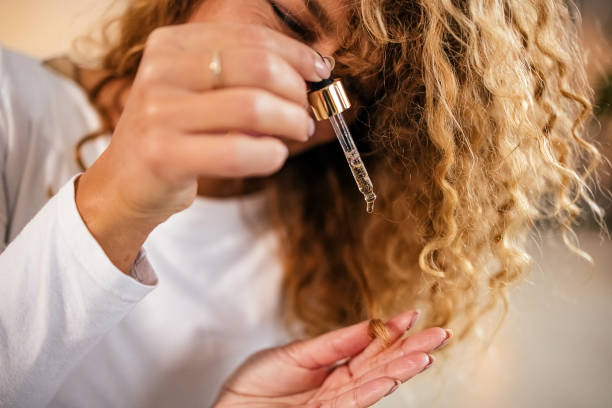
Hair conditioners, masks, and styling creams, where stronger films help with conditioning, curl retention, anti-frizz performance, and combability.
In practice, often fine-tune chitosan concentration (commonly around 0.1–2% depending on grade) and combine different viscosities or derivatives to hit specific targets for flow, sprayability, or rich cream texture while maintaining clarity, stability, and desired sensory profile.
Regulatory & Safety Advantages
Chitosan is a naturally derived ingredient obtained from renewable biomass such as crustacean shells, which aligns well with “natural ingredient” and “clean beauty” positioning in modern cosmetic marketing. Its biodegradability and low toxicity profile make it attractive for brands aiming to reduce reliance on synthetic polymers and support more eco-friendly, bio-based formulations.
Because chitosan is biodegradable, derived from waste biomass, and already approved or accepted in various regulatory contexts (including as a basic substance in other applications in the EU), it can help brands substantiate eco-friendly, sustainable, and low-environmental-impact claims.
Conclusion
Chitosan presents a rare combination of natural origin, functional performance, and formulation versatility that makes it exceptionally valuable across modern cosmetic applications. From moisture retention and sensory enhancement to antimicrobial protection and film-forming benefits, its roles extend beyond a simple additive—chitosan actively contributes to the quality, safety, and consumer perception of cosmetic products.
As clean-label beauty, sustainability, and bio-based ingredients continue to shape the future of the cosmetic market, chitosan provides brands and formulators with a reliable and innovative material for next-generation product development. Runtai Chemical is committed to supplying high-quality cosmetic-grade chitosan with customized specifications and technical support, helping our partners around the world achieve superior functional performance and market advantage.