Introduction
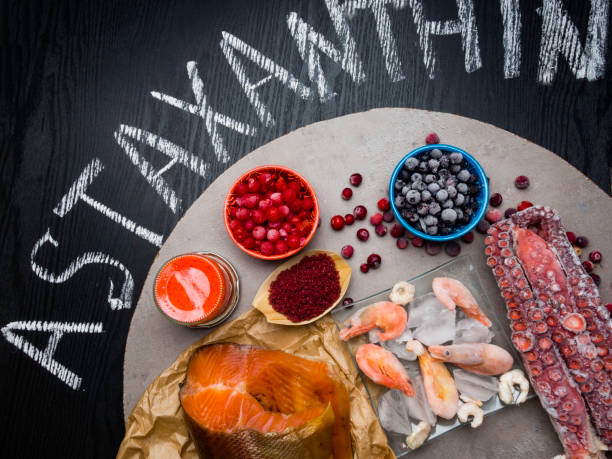
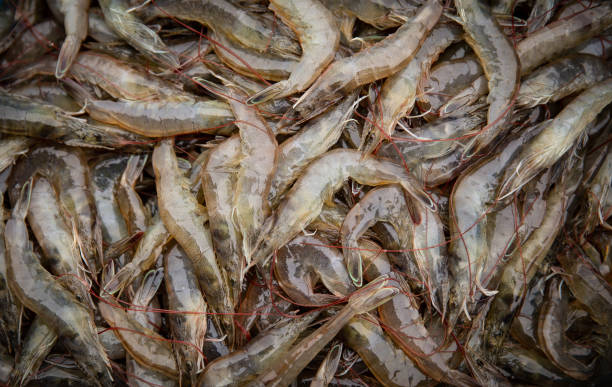
Astaxanthin is a naturally occurring carotenoid pigment widely recognized for its strong antioxidant properties and diverse industrial applications. It is commonly found in various marine organisms, including salmon, shrimp, krill, and certain microalgae, where it is responsible for their characteristic red or pink coloration. In recent years, astaxanthin has gained significant attention across multiple industries due to its potential health benefits, stability as an antioxidant, and growing demand in functional ingredients.
Driven by increasing consumer awareness of health and wellness, astaxanthin has become a valuable ingredient for product developers and manufacturers seeking effective antioxidant compounds. Its potential roles in supporting skin health, eye health, immune function, and physical performance have further expanded its market adoption. At the same time, regulatory considerations, safety evaluations, and quality control remain important factors for businesses sourcing astaxanthin as a raw material.
This article provides an overview of astaxanthin, including its natural sources, production methods, functional benefits, safety profile, and major industrial applications.
What Is Astaxanthin?
Astaxanthin is a powerful carotenoid antioxidant known for its vibrant red-orange color. It belongs to the keto-carotenoid family, a group of naturally occurring pigments found in many marine and microalgae species. As a natural carotenoid, astaxanthin stands out for its exceptional ability to neutralize free radicals, helping to protect cells and tissues from oxidative stress.
Chemically, the astaxanthin molecular structure contains both hydroxyl and keto functional groups on each ionone ring, which allows it to interact effectively with cell membranes and provide superior antioxidant protection compared to other carotenoids like beta-carotene or lutein.
This red carotenoid pigment is responsible for the distinctive coloration of salmon, shrimp, lobster, and krill. In nature, astaxanthin is mainly synthesized by microalgae such as Haematococcus pluvialis and then accumulated in higher organisms through the food chain.
Beyond its natural origin, astaxanthin has gained strong commercial importance in the fields of nutrition, pharmaceuticals, and cosmetics. Its proven antioxidant and anti-inflammatory properties make it a key ingredient in dietary supplements, functional foods, skin-care formulations, and feed additives for aquaculture.
Chemical Properties and Specifications of Astaxanthin
Astaxanthin is a high-value raw material widely used in the nutraceutical, cosmetic, and feed industries. To ensure precise sourcing, here are the primary chemical identifiers for astaxanthin powder.
- Chemical Name: 3,3′-dihydroxy-β,β-carotene-4,4′-dione
- Astaxanthin Molecular Formula: C40H52O4
- Molecular Weight: 596.84 g/mol
- Astaxanthin CAS Number: 472-61-7
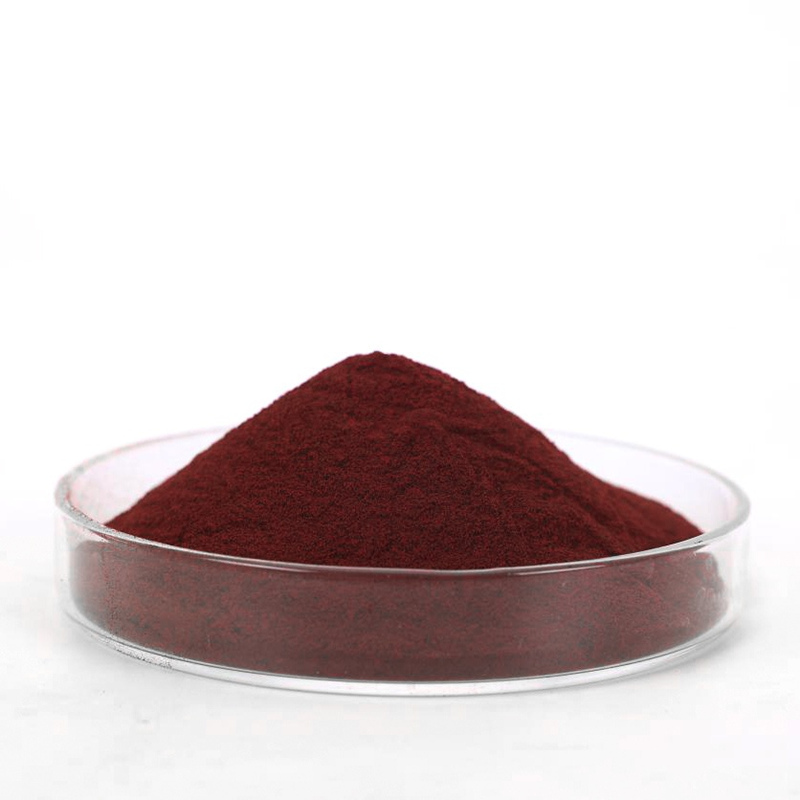
- Appearance: Deep red to dark violet-brown fine powder or viscous oil.
- Solubility: Astaxanthin solubility is primarily lipophilic (fat-soluble). It dissolves well in organic solvents and vegetable oils but requires specialized processing (like micro-encapsulation) to become water-dispersible.
- Stability: Highly sensitive to light, oxygen, and high temperatures. It must be stored in cool, dark conditions, often under nitrogen flushing to prevent oxidation.
Commercially, astaxanthin is available in several versatile forms: Astaxanthin powder, Astaxanthin oil, Astaxanthin beadlets. Common astaxanthin specifications include standardized content of 5%, 10%, and 20% astaxanthin, depending on purity, carrier materials, and end-use requirements. This flexibility allows manufacturers to select the most appropriate grade for their specific product development goals.
Industrial Production and Manufacturing Methods of Astaxanthin
Modern astaxanthin production relies on three main manufacturing methods: natural extraction from microalgae, yeast fermentation, and chemical synthesis. Each approach offers distinct advantages in terms of cost, purity, and application scope.
1. Natural Production from Microalgae
The most recognized natural source of astaxanthin is the green microalga Haematococcus pluvialis, known for its high pigment accumulation capacity. In natural astaxanthin production methods, the microalgae are cultivated under controlled conditions, followed by a stress induction stage (light, salinity, or nutrient limitation) to enhance pigment synthesis. After harvesting, the biomass undergoes drying and solvent or supercritical CO₂ extraction to isolate the astaxanthin.
This Haematococcus pluvialis astaxanthin is highly valued in the nutraceutical and cosmetic markets due to its natural origin, superior antioxidant activity, and clean-label reputation. However, production costs are relatively high because of complex cultivation and extraction steps.
2. Yeast Fermentation Production
Another sustainable route involves fermenting astaxanthin using the red yeast Phaffia rhodozyma. Through advanced biotechnological fermentation techniques, the yeast is cultured in nutrient media, and astaxanthin is biosynthesized intracellularly. This method provides a steady, scalable supply of natural astaxanthin at a lower cost than microalgae cultivation.
Yeast-derived astaxanthin is primarily used in the feed and functional food industries, offering a balance between natural sourcing and economic feasibility.
3. Chemical Synthesis
Synthetic astaxanthin is produced through multi-step organic synthesis involving petrochemical-based precursors. Although it is chemically identical to natural astaxanthin, it typically contains a mixture of stereoisomers. Its large-scale industrial production enables low-cost supply, making it the preferred option for aquaculture and feed applications where price sensitivity is critical.
Why Astaxanthin Is a Powerful Antioxidant
Among all carotenoid antioxidants, astaxanthin stands out as one of the most potent and versatile compounds known in nature. Its antioxidant strength lies in its unique chemical structure and highly effective free radical scavenging mechanism.
The core of the astaxanthin antioxidant mechanism comes from its conjugated double-bond system and polar end groups. These structural features allow astaxanthin to span the entire lipid bilayer of the cell membrane — positioning itself across both the inner and outer layers. This orientation enables it to intercept free radicals in multiple cellular regions at once, providing comprehensive protection that few other antioxidants can achieve.
Specifically, astaxanthin effectively:
-
Neutralizes reactive oxygen species (ROS) and other unstable free radicals, preventing cellular oxidative damage.
-
Inhibits lipid peroxidation, protecting membrane lipids from degradation.
- Stabilizes cell membranes, preserving their integrity and fluidity under oxidative stress.
When comparing astaxanthin vs vitamin C, studies have shown that astaxanthin can exhibit significantly higher oxidative resistance — in some cases, hundreds of times greater. Unlike vitamin C and vitamin E, which work primarily in aqueous or lipid phases, respectively, astaxanthin operates across both, bridging the gap between water- and fat-soluble environments.
In addition, astaxanthin demonstrates stronger antioxidant stability than β-carotene, thanks to its keto and hydroxyl groups that prevent destabilization under light and heat. This dual-polar nature makes it one of the most efficient long-acting antioxidants available for health supplements, cosmetics, and functional foods.
Health Benefits of Astaxanthin
Extensive research has confirmed a wide range of astaxanthin health benefits, making it one of the most desirable functional ingredients in dietary supplements and wellness products. As a potent antioxidant, astaxanthin helps protect the body from oxidative stress, supporting skin, eyes, the immune system, and overall vitality.
1. Skin Health and Anti-Aging
Astaxanthin has proven benefits for skin, helping reduce visible signs of photoaging caused by UV exposure. Its antioxidant and anti-inflammatory activity inhibits collagen degradation, improves skin elasticity, and enhances moisture retention. Regular supplementation with astaxanthin for skin protection can help maintain a more youthful, radiant appearance.
2. Eye Health and Visual Performance

Due to its ability to cross the blood-retina barrier, astaxanthin provides strong eye health support by reducing oxidative damage in retinal cells. Studies show that astaxanthin for eye health may help alleviate visual fatigue and improve focusing performance, especially for those exposed to digital screens or prolonged light stress.
3. Immune System Support
Astaxanthin contributes to immune support by enhancing the activity of natural killer cells and modulating immune responses. Its free-radical scavenging role helps maintain immune cell function and protect the body from inflammation-related stress.
4. Cardiovascular Health
By reducing lipid oxidation and supporting healthy blood flow, astaxanthin promotes heart and vascular well-being. Its antioxidant actions can help protect LDL cholesterol from oxidative damage, a key factor in cardiovascular risk management.
5. Exercise Recovery and Anti-Fatigue
Astaxanthin also supports physical performance by lowering oxidative stress induced by intense exercise. It helps reduce muscle fatigue, accelerate recovery, and improve endurance, making it highly popular in sports nutrition formulations.
Industry Applications of Astaxanthin
1. Nutraceutical Industry
In the nutraceutical sector, astaxanthin is recognized for its potent anti-aging and cell-protective effects. It is commonly incorporated into dietary supplements designed for antioxidant defense, immune support, and sports performance. As a key astaxanthin ingredient use, it appears in softgels, tablets, and functional blends targeting skin vitality, vision care, and cardiovascular wellness.
2. Cosmetic and Skincare Industry
As a naturally sourced astaxanthin cosmetic ingredient, it offers powerful protection against photoaging and environmental stress. Its ability to neutralize free radicals helps reduce fine lines, enhance skin firmness, and improve overall complexion. Therefore, it is often included in anti-aging serums, creams, and sunscreen formulations that promote radiant and youthful skin.
3. Functional Food and Beverage
Growing demand for natural antioxidants has made astaxanthin a popular addition to functional foods and nutrition-fortified beverages. It can be added to health drinks, gummies, or dairy products to provide antioxidant enrichment and support overall wellness, while also imparting a characteristic reddish tint that enhances consumer appeal.
4. Aquaculture and Animal Feed
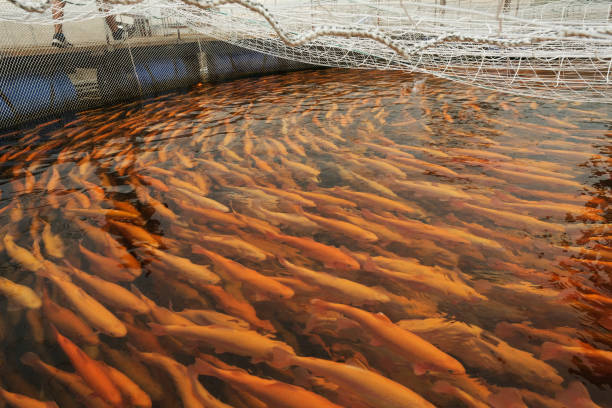 In the aquaculture industry, astaxanthin feed additives are essential for improving pigmentation and health in farmed fish and crustaceans such as salmon, trout, shrimp, and lobster. Beyond coloration, astaxanthin enhances growth performance, reproductive health, and resistance to stress, making it indispensable in premium aquafeed formulations.
Why Choose Runtai Chemical as Your Astaxanthin Supplier
As a trusted astaxanthin raw material supplier and global exporter, Runtai Chemical combines strong industry expertise with a commitment to consistent quality and customer success. Our products are developed and tested under strict quality systems to ensure high purity, stability, and safety for various end uses.
High-quality products and strict QC
Runtai Chemical provides bulk astaxanthin powder and oil forms with standardized contents (5%, 10%, 20%), verified by COA and third-party testing. Every batch undergoes rigorous quality control to guarantee purity and uniform performance in your formulations.
Reliable supply and global shipping
With stable production capability and efficient logistics, we ensure uninterrupted supply to clients worldwide. Whether you require trial quantities or large-scale astaxanthin wholesale orders, Runtai Chemical delivers on time with consistent specifications.
Technical and formulation support
Our professional R&D team provides application guidance for nutraceutical, cosmetic, food, and feed industries. We help customers optimize formulation stability, improve product color performance, and enhance bioavailability.
Trusted partner for global brands
Through years of experience in chemical and nutritional ingredient exports, Runtai Chemical has built long-term cooperation with partners across Asia, Europe, and North America. Our professional service, technical knowledge, and reliable quality make us your ideal astaxanthin supplier partner.
Market Demand and Industry Trends of Astaxanthin
The global astaxanthin market is growing rapidly as demand for natural antioxidants increases across health, beauty, food, and feed sectors. Rising awareness of preventive health and clean-label ingredients is driving sustained astaxanthin market demand.
In the nutraceutical market, astaxanthin is widely used in supplements for anti-aging, eye health, heart health, and sports recovery, and this segment is expected to remain one of the main growth drivers. The cosmetic ingredient market is also expanding, as brands adopt astaxanthin in high-end skincare for anti-oxidation, anti-photoaging, and skin protection.
At the same time, astaxanthin is increasingly incorporated into functional foods and beverages, adding antioxidant benefits and a natural red hue that supports product differentiation. In aquaculture and animal feed, its role as a reliable natural pigment and health-supporting additive ensures stable, long-term demand.

Overall, astaxanthin has become a high-value natural functional ingredient with strong growth potential across nutraceuticals, cosmetics, functional foods, and aquaculture worldwide.
Conclusion
Astaxanthin is a high-value carotenoid widely recognized for its exceptional antioxidant capacity and its broad range of industrial applications. Naturally found in marine organisms and microalgae, this powerful compound has attracted significant attention in recent years due to its potential benefits for skin health, eye protection, immune support, and overall cellular protection against oxidative stress. Its unique molecular structure allows astaxanthin to deliver stronger antioxidant activity compared with many traditional antioxidants, making it an increasingly important ingredient in modern health and wellness products.
From an industrial perspective, astaxanthin can be produced through several methods, including microalgae cultivation, yeast fermentation, and chemical synthesis. Each production route offers different advantages in terms of cost, purity, and target applications. As demand continues to grow in sectors such as nutraceuticals, cosmetics, functional foods, and aquaculture, astaxanthin has become a key functional raw material for product innovation and formulation development.
For manufacturers and ingredient buyers, selecting high-quality astaxanthin with reliable specifications and stable supply is essential for ensuring product performance and market competitiveness. Companies such as Runtai Chemical are committed to providing consistent and high-quality astaxanthin raw materials to support the development of nutraceutical, cosmetic, and functional food products worldwide.