Introduction
The cosmetic industry is increasingly looking for ingredients that offer more than just functional performance. Today, formulators and cosmetic manufacturers are paying closer attention to raw material origins, manufacturing processes, formulation compatibility, and sustainability. Bio-based ingredients derived from renewable resources are becoming an important part of this shift.
As the cosmetics industry shifts toward cleaner labels and more responsible sourcing, formulators are seeking ingredients that offer both high performance and sustainability. Bio-based 1,2-Pentanediol, also known as Pentylene Glycol, meets this need as a multifunctional cosmetic ingredient.
Derived from corncob, a renewable agricultural biomass by-product, Runtai Chemical’s 1,2-Pentanediol helps brands combine effective formulation performance with a more sustainable raw-material story. It functions as a humectant, solvent, and preservation booster, making it suitable for skincare, haircare, sun care, wipes, and other personal-care applications.
In this article, we will explore bio-based 1,2-pentanediol, what makes its sourcing route different, and why its multifunctional properties make it a valuable option for modern cosmetic formulations.
Why Are Bio-Based Cosmetic Ingredients Gaining Attention?
Cosmetic manufacturers are increasingly considering not only ingredient performance, but also raw-material origin, production process, and environmental impact. This shift is driving greater interest in bio-based ingredients across the personal-care industry.
The Growing Demand for Renewable Raw Materials
More brands are choosing renewable cosmetic ingredients made from biomass instead of fossil-based feedstocks. Agricultural by-products such as corncob can be converted into high-value bio-based raw materials, supporting more sustainable personal-care formulations.
Moving Beyond Ingredient Performance: Why Sourcing Matters
Ingredient buyers now value cosmetic ingredient sourcing, traceability, and consistent quality as much as functionality. A reliable bio-based ingredient should deliver strong performance while offering a clear and sustainable supply-chain story.
From Corncob to 1,2-Pentanediol: Understanding the Bio-Based Production
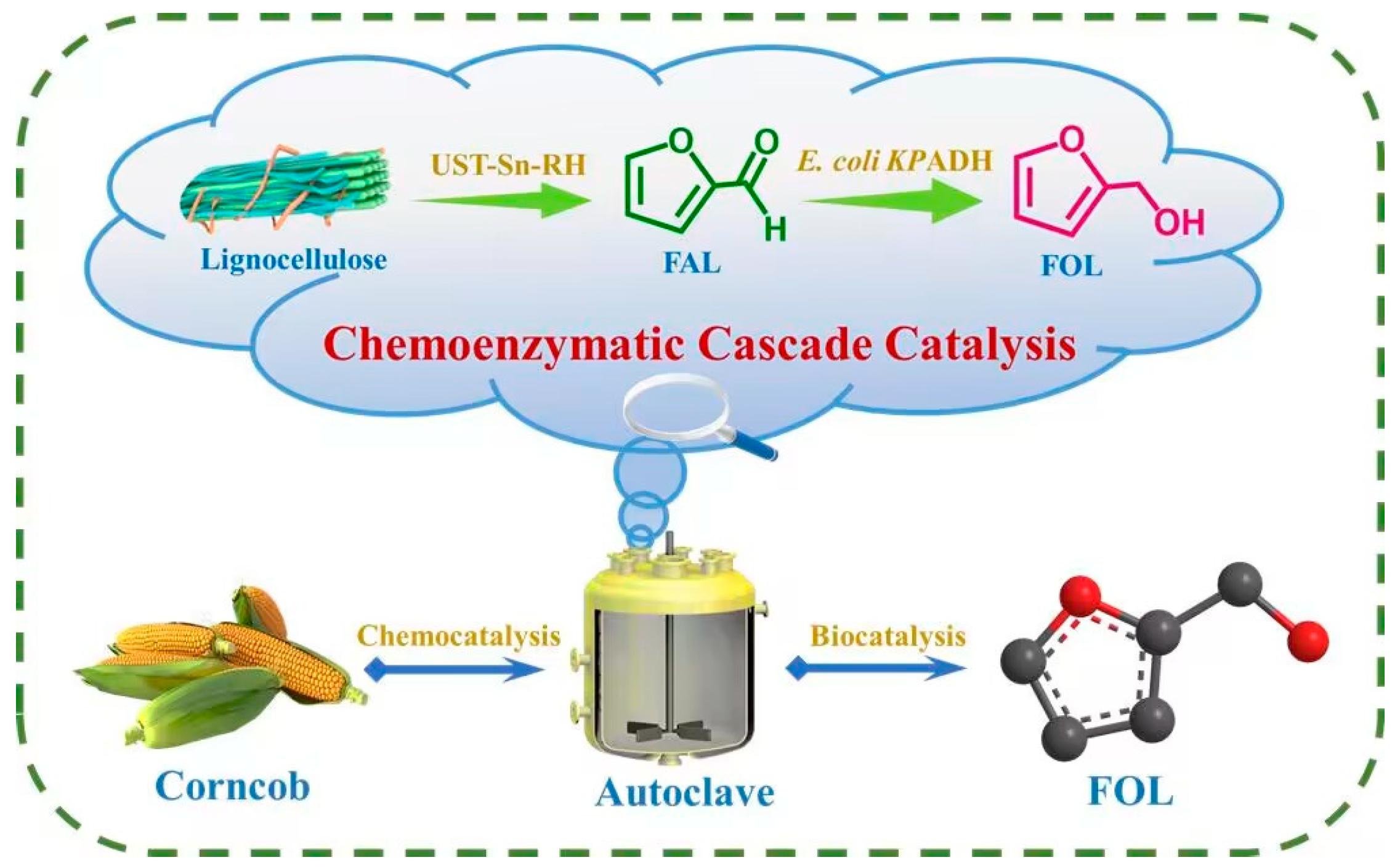
Runtai Chemical’s bio-based 1,2-Pentanediol is produced through a biomass-based pathway that starts with corncob, an abundant agricultural by-product. Through several conversion steps, this renewable raw material is transformed into high-quality bio-based Pentylene Glycol for cosmetic applications.
Corncob as a Renewable Biomass Feedstock
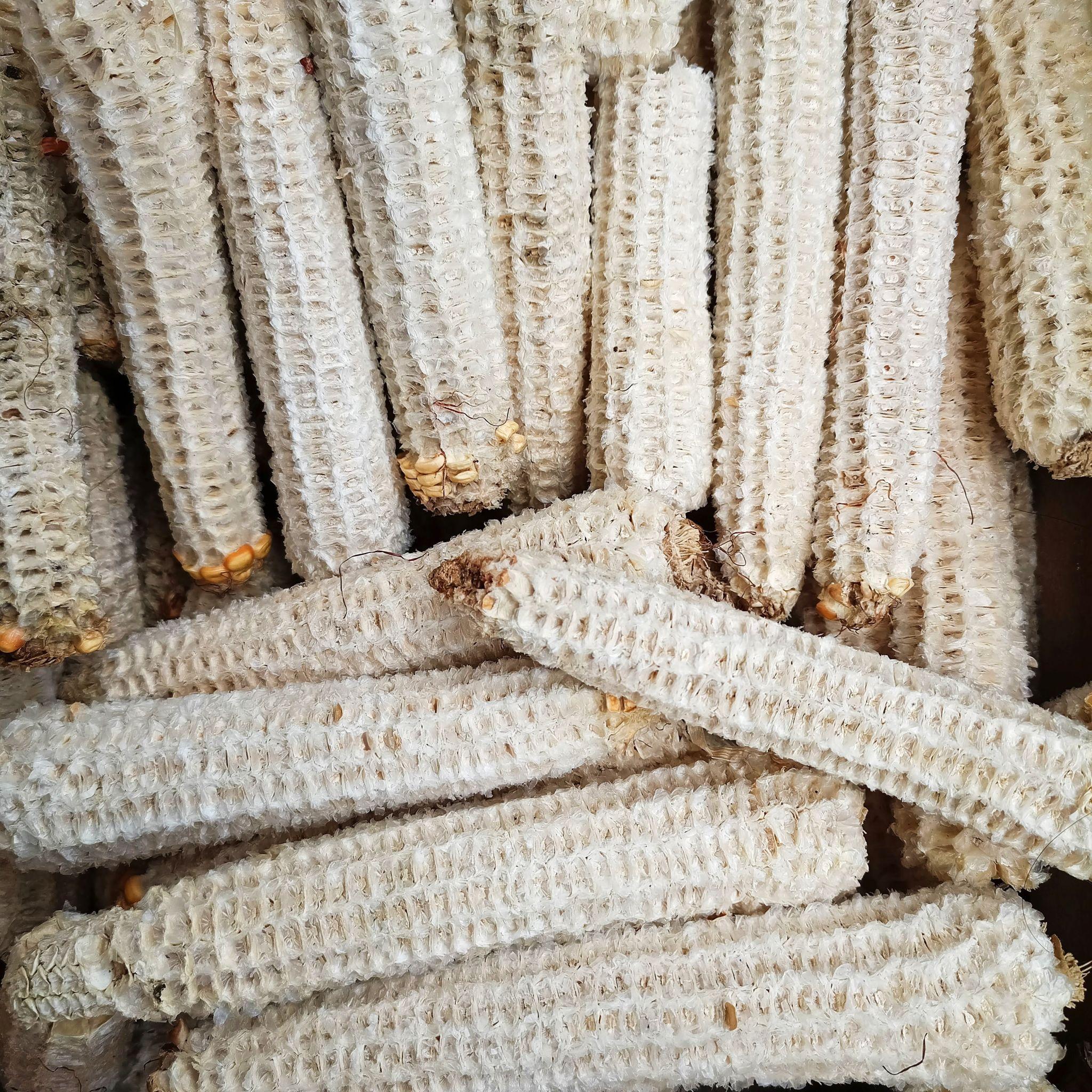
Corncob is a suitable renewable feedstock because it is an agricultural by-product rather than a food crop. Using this non-food biomass helps reduce reliance on food-based raw materials while adding value to an abundant agricultural residue.
Converting Corncob into Furfural
After pretreatment, corncob can be converted into furfural, an important platform chemical derived from lignocellulosic biomass. This corncob-to-furfural process demonstrates how agricultural waste can become a valuable raw material for downstream chemical production.
Hydrogenation of Furfural into Furfuryl Alcohol
Furfural is then hydrogenated to produce furfuryl alcohol, also known as furylmethanol. As a key biomass-based chemical intermediate, furfuryl alcohol plays an essential role in the subsequent synthesis of 1,2-Pentanediol.
From Furfuryl Alcohol to 1,2-Pentanediol
In the final stage, furfuryl alcohol is further converted into bio-based 1,2-Pentanediol. By integrating renewable biomass-derived intermediates into cosmetic ingredient manufacturing, Runtai Chemical provides a clear and credible bio-based route to high-quality Pentylene Glycol.
What Makes Corncob-Based 1,2-Pentanediol Different?
The main difference between bio-based and conventional petroleum-based 1,2-Pentanediol lies in the raw-material source and production route. Corncob-based 1,2-Pentanediol uses renewable agricultural biomass, offering cosmetic manufacturers a more diversified and sustainability-oriented sourcing option.
A Non-Food Biomass-Based Production Route
Corncob is a non-food biomass material, so its use does not directly depend on food crops as the primary feedstock. This makes corncob-based ingredients a practical choice for bio-based chemical production while helping reduce pressure on food-based raw materials.
Agricultural By-Product Utilization and Resource Efficiency
Converting corncob into higher-value chemical intermediates supports agricultural waste valorization and more efficient biomass utilization. Instead of being treated as low-value residue, corncob becomes part of a more circular value chain, reflecting the principles of the circular economy and green chemistry.
Supporting Low-Carbon and Green Manufacturing Goals
Using renewable biomass feedstocks can support green manufacturing and low-carbon manufacturing strategies in the chemical industry. This approach also aligns with China’s dual carbon goals by encouraging more sustainable chemical production and greater use of renewable resources.
What Is 1,2-Pentanediol and Why Is It Used in Cosmetics?
1,2-Pentanediol, commonly listed as Pentylene Glycol on cosmetic ingredient labels, is a multifunctional diol widely used in skincare and personal-care formulations. It helps support hydration, formulation stability, and preservation performance.
Basic Properties of 1,2-Pentanediol
| Item | Information |
|---|---|
| INCI Name | Pentylene Glycol |
| CAS Number | 5343-92-0 |
| Molecular Formula | C5H12O2 |
| Appearance | Colorless liquid, subject to product specifications |
| Main Functions | Humectant, solvent, skin-conditioning agent, and preservative booster |
These properties make 1,2-Pentanediol a versatile raw material for many cosmetic applications. Its clear liquid form and broad functionality allow it to fit easily into emulsions, serums, toners, cleansers, wipes, and other water-based personal-care products.
Why Is Pentylene Glycol Considered a Multifunctional Cosmetic Ingredient?
Pentylene Glycol is considered a multifunctional cosmetic ingredient because it can perform several roles within one formulation. As a humectant, it helps attract and retain moisture to support skin hydration. As a solvent, it can assist with the dispersion and solubilization of certain cosmetic ingredients.
It also works as a preservative booster, helping support the effectiveness of a product’s preservation system. These combined 1,2-Pentanediol functions make it valuable for formulators seeking both performance and formulation efficiency.
Three Key Functions of 1,2-Pentanediol in Cosmetic Formulations
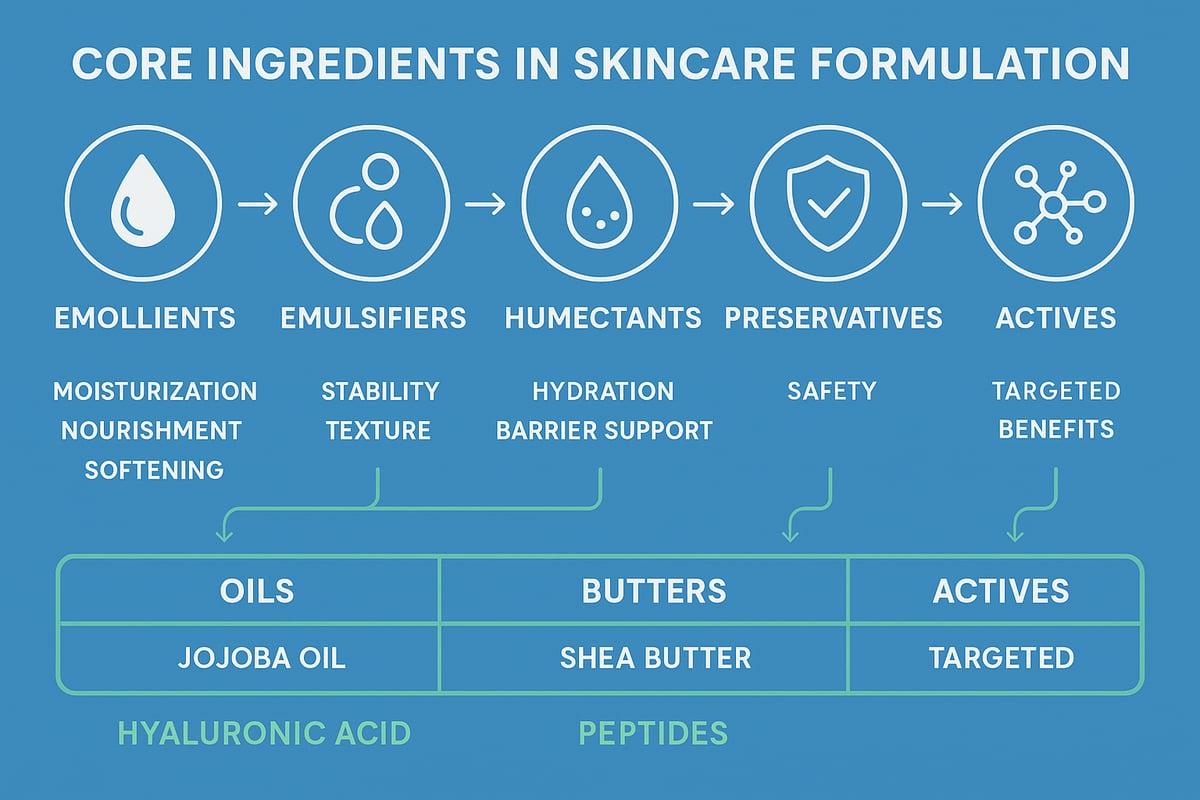
1,2-Pentanediol is valued in cosmetic formulations for its practical multifunctionality. It can support hydration, improve ingredient incorporation, and help strengthen a product’s preservation system.
Humectant – Helping Maintain Skin Hydration
As a Pentylene Glycol humectant, 1,2-Pentanediol helps attract and retain moisture in the skin. It can be combined with glycerin, hyaluronic acid, and other moisturizing ingredients to support overall skincare hydration and improve the sensory feel of a formula.
Solvent – Supporting Ingredient Incorporation
1,2-Pentanediol can also act as a cosmetic solvent, helping dissolve or incorporate selected ingredients into a formulation. This supports greater cosmetic formulation compatibility and gives formulators more flexibility when working with actives, fragrances, or other functional ingredients.
Preservative Booster – Supporting Cosmetic Preservation Systems
With its antimicrobial properties, 1,2-Pentanediol can function as a Pentylene Glycol preservative booster. It helps complement conventional preservatives and support the overall cosmetic preservation system, although it is not necessarily a standalone broad-spectrum preservative.
Why 1,2-Pentanediol Cannot Replace a Complete Preservation System
While 1,2-Pentanediol can support antimicrobial performance, preservation depends on the finished formulation as a whole. Factors such as pH, water activity, ingredient interactions, packaging, and the types of microorganisms involved all influence the final result.
Factors Affecting Antimicrobial Performance
The effectiveness of 1,2-Pentanediol as a cosmetic preservative booster depends on several formulation factors:
-
Its concentration in the formula
-
Formulation pH and water activity
-
Compatibility with other ingredients
-
The different sensitivities of bacteria, yeast, and mold
These formulation factors mean that antimicrobial performance should always be evaluated in the complete product, not based on the ingredient alone.
Why Cosmetic Challenge Testing Is Essential
To confirm that a finished product is adequately preserved, formulators should conduct appropriate preservative efficacy testing.
Applications of Bio-Based 1,2-Pentanediol Across Personal Care and Beyond
Bio-based 1,2-Pentanediol has a broad application range, extending from skincare and personal care to pharmaceuticals, agrochemicals, and industrial uses. This diversified demand helps reduce dependence on any single industry cycle.
Skincare
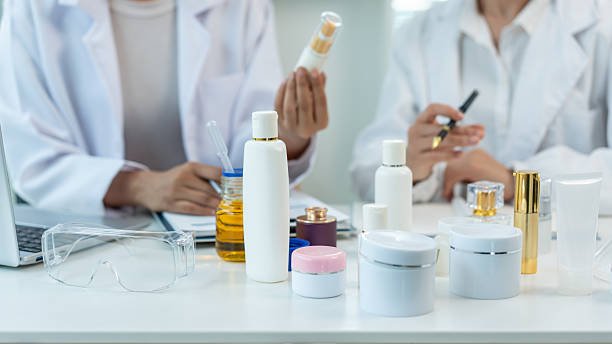
1,2-Pentanediol is commonly used in creams, lotions, serums, toners, and facial masks. It functions as a humectant to support skin hydration and as a preservative booster to help strengthen the formulation’s preservation system.
Color Cosmetics and Sun Care
In color cosmetics and sunscreen products, 1,2-Pentanediol can help improve the dispersion and spreadability of pigments. In sunscreen formulations, it may also support a more even sunscreen film and contribute to formulation stability.
Hair Care and Wet Wipes
In shampoos and conditioners, it works as a humectant and helps support formulation stability. In wet wipes, its antimicrobial-supporting properties make it a common ingredient in products marketed with “preservative-free” or “no added preservative” claims.
Baby Care and Sensitive Skin
Thanks to its mild profile, 1,2-Pentanediol is often selected for low-irritation formulations, including baby-care products and products designed for sensitive skin. As always, final suitability depends on the complete formulation and appropriate safety testing.
Pharmaceuticals and Agrochemicals
Beyond cosmetics, 1,2-Pentanediol is used as an excipient and penetration enhancer in certain topical preparations, oral solutions, and transdermal patches. It is also a key intermediate in the production of propiconazole, a fungicide, which represents a major share of global 1,2-Pentanediol demand.
Industrial Solvents
1,2-Pentanediol can also be used as a low-volatility, environmentally oriented solvent in coatings, inks, and other industrial systems.
How to purchase bio-based 1,2-pentanediol?
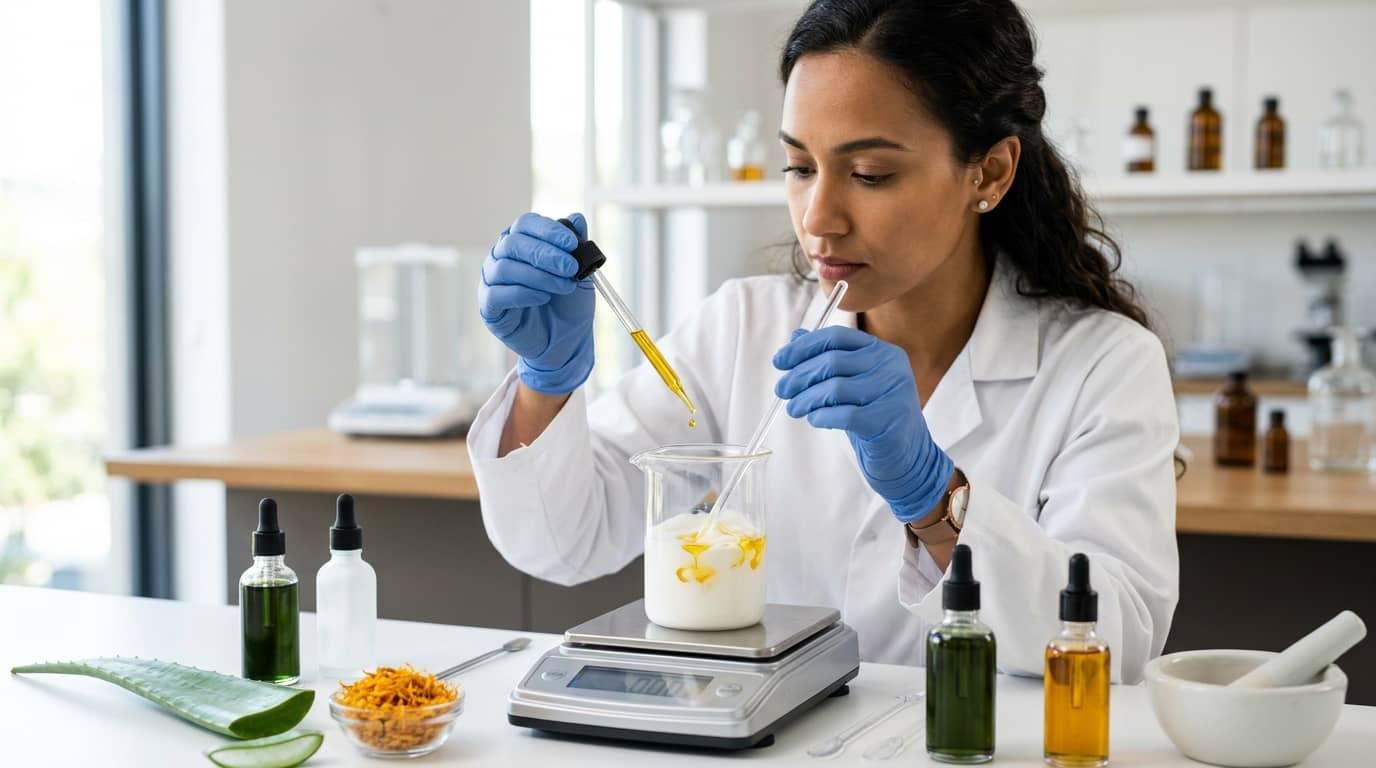
Runtai Chemical supplies bio-based 1,2-Pentanediol produced from corncob, a renewable and non-food biomass feedstock. Our corncob-based Pentylene Glycol offers multifunctional performance in cosmetic formulations, functioning as a humectant, solvent, and preservative booster. The company also provides product specifications and technical documentation to support customers’ formulation, procurement, and regulatory requirements.
With bulk supply capability and international trade services, Runtai Chemical supports global cosmetic ingredient buyers across skincare, haircare, sunscreen, wipes, and other personal-care applications. For brands seeking a dependable source of corncob-based Pentylene Glycol, Runtai Chemical offers both product quality and practical supply-chain support.
Conclusion: From Agricultural By-Products to Advanced Cosmetic Ingredients
Converting corncob into higher-value chemical intermediates and ultimately into bio-based 1,2-Pentanediol shows how agricultural by-products can become advanced raw materials for the cosmetics industry. This bio-based route combines renewable sourcing with the multifunctional performance required in modern personal-care formulations.
A modern cosmetic ingredient should offer more than functional performance. Its raw-material origin, manufacturing route, formulation compatibility, and supply reliability all play an important role in helping brands develop credible and sustainable products.
If you are a cosmetic manufacturer, distributor, or formulation developer looking for corncob-based 1,2-Pentanediol, contact Runtai Chemical for product specifications, samples, and bulk quotations. Our team is ready to support your sourcing needs for sustainable cosmetic raw materials.