Introduction
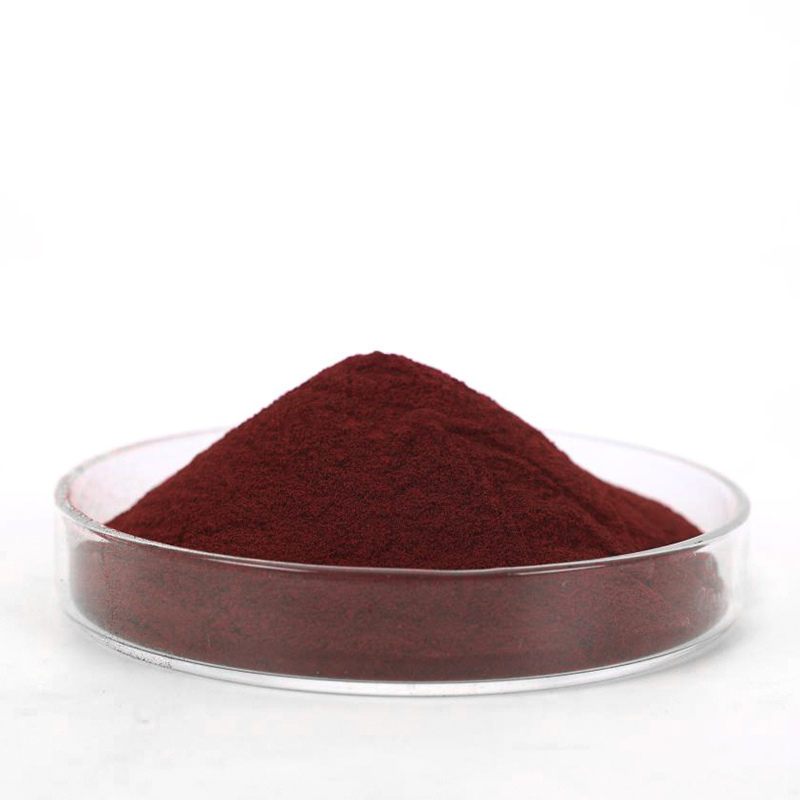
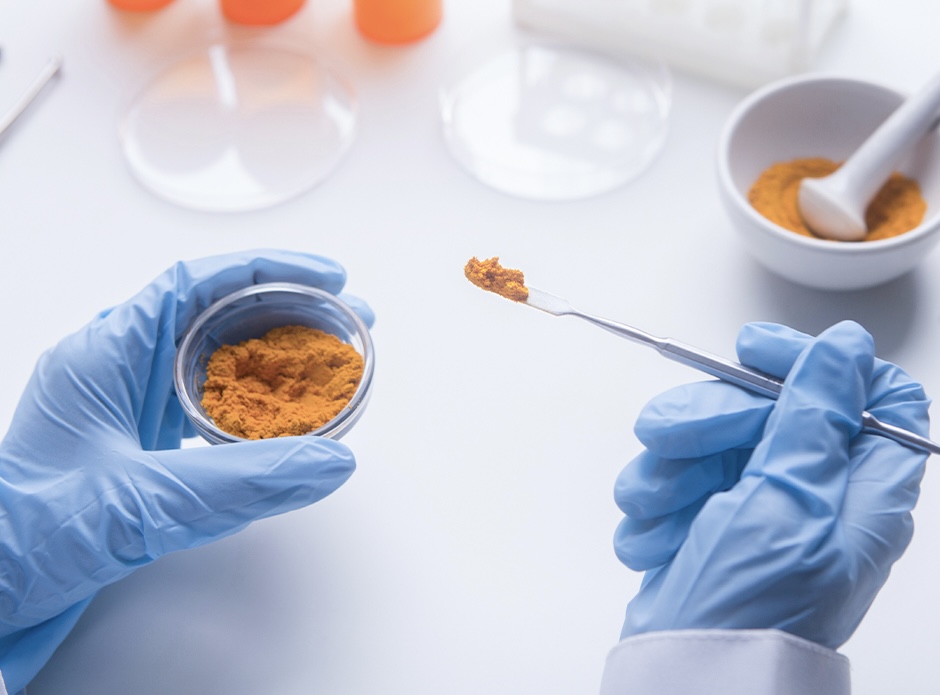
Astaxanthin is a red-orange carotenoid pigment widely used in aquaculture feed, particularly for salmon, trout, shrimp, and other aquatic species. Beyond its role in enhancing natural pigmentation, astaxanthin is valued for its antioxidant properties, which help protect aquatic animals against oxidative stress and support overall health.
As demand for high-quality aquaculture products continues to grow, astaxanthin has become an important feed additive in modern aquaculture. Commercial astaxanthin is mainly obtained from three sources: Haematococcus pluvialis (microalgae), Phaffia rhodozyma (red yeast), and chemical synthesis.
Although these sources provide similar pigmentation functions, they differ in production methods, molecular forms, stereoisomer composition, bioavailability, and production costs. Understanding these differences can help aquaculture feed manufacturers and buyers select the most suitable astaxanthin for their applications.
Why Is Astaxanthin Important in Aquaculture?
Astaxanthin is one of the most important carotenoids used in modern aquaculture feed. As a natural pigment and functional feed additive, it helps improve the coloration, antioxidant capacity, growth performance, immune response, and stress tolerance of farmed fish and shrimp.
For aquaculture producers, the benefits of astaxanthin in aquaculture are closely linked to product quality and market value. Consistent pigmentation is especially important for high-value species such as salmon, trout, and shrimp, where appearance directly influences consumer acceptance and commercial pricing.
Improving Natural Pigmentation in Fish and Shrimp
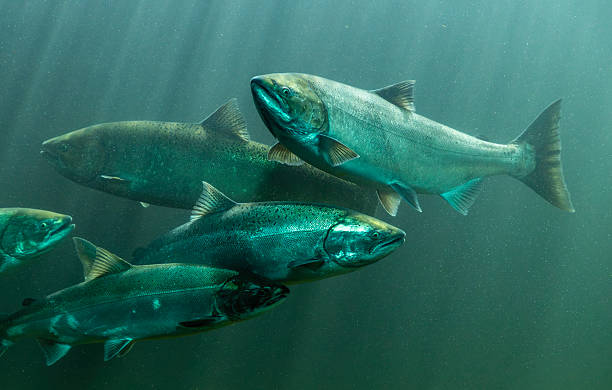
Astaxanthin contributes to the characteristic pink-red coloration of salmon and trout flesh. In salmonids, dietary astaxanthin is deposited in muscle tissue, helping produce the desirable pink to red appearance that consumers associate with premium salmon products.
Astaxanthin is also essential for shrimp and other crustaceans. It supports red coloration in the shell and body tissues, helping farmed shrimp achieve a more attractive and uniform appearance.
Better pigmentation can improve the visual appeal and commercial value of farmed aquatic products. For exporters and feed manufacturers, stable astaxanthin supplementation helps deliver more consistent color quality across production batches, which is particularly valuable in export-oriented seafood markets.
Key applications include:
- Astaxanthin for salmon: Supports the development of pink-red flesh color in salmon and trout.
- Astaxanthin for shrimp: Helps improve red shell and body pigmentation in species such as Pacific white shrimp.
- Astaxanthin pigmentation: Enhances visual quality, color uniformity, and perceived freshness of aquatic products.
- Commercial value: More attractive coloration can support better market positioning and consumer acceptance.
Supporting Antioxidant Protection
Astaxanthin has strong antioxidant properties. In aquaculture, it helps neutralize reactive oxygen species (ROS), which can accumulate during normal metabolism and increase under intensive farming, handling, transport, or environmental stress.
By reducing oxidative stress, astaxanthin helps protect cell membranes from oxidative damage. This is important because lipid peroxidation and cellular damage can negatively affect tissue integrity, feed efficiency, survival, and overall aquatic-animal health.
Astaxanthin may also support the activity of endogenous antioxidant enzymes, including superoxide dismutase (SOD), catalase (CAT), and glutathione peroxidase (GPx). Together, these defense systems help aquatic animals maintain a better oxidative balance under commercial farming conditions.
Astaxanthin antioxidant properties may support:
- Neutralization of reactive oxygen species (ROS)
- Protection of cell membranes against oxidative damage
- Improved activity of antioxidant enzymes such as SOD, CAT, and GPx
- Better oxidative-stress management in fish and shrimp
- More stable performance under intensive aquaculture conditions
Supporting Growth, Immunity, and Stress Resistance
Beyond pigmentation, astaxanthin is widely studied for its potential effects on growth performance in fish and shrimp. Dietary supplementation may support feed utilization, weight gain, and overall growth, although the degree of improvement varies by species, life stage, basal diet, and farming system.
Astaxanthin can also play a role in supporting immune responses. Research indicates that it may help regulate immune-related functions and strengthen nonspecific immunity, which is important for disease resistance in aquaculture.
Under environmental stress—such as temperature changes, salinity variation, poor water quality, handling, or intensive stocking conditions—oxidative stress and immune challenges can increase. Astaxanthin’s antioxidant and immune-supporting properties may help aquatic animals cope more effectively with these conditions.
It is important to note that results depend on several factors, including:
- The target species, such as salmon, trout, shrimp, or other aquatic animals
- Astaxanthin dosage and inclusion level in the feed
- Feed formulation and nutrient balance
- Feeding duration and production stage
- Water quality, stocking density, and overall farm-management practices
For aquafeed formulators, astaxanthin is therefore more than a colorant. When used at appropriate levels, it can be part of a broader nutritional strategy to support fish health, shrimp performance, antioxidant protection, and product quality in commercial aquaculture.
What Are the Main Sources of Astaxanthin?
Astaxanthin used in aquaculture, food, nutraceutical, and cosmetic applications comes from three main commercial sources: the microalga Haematococcus pluvialis, the yeast Phaffia rhodozyma, and chemical synthesis. Although these sources differ in production method and raw-material characteristics, both microalgae and yeast can produce astaxanthin through biological processes.
Microalgae-Derived Astaxanthin
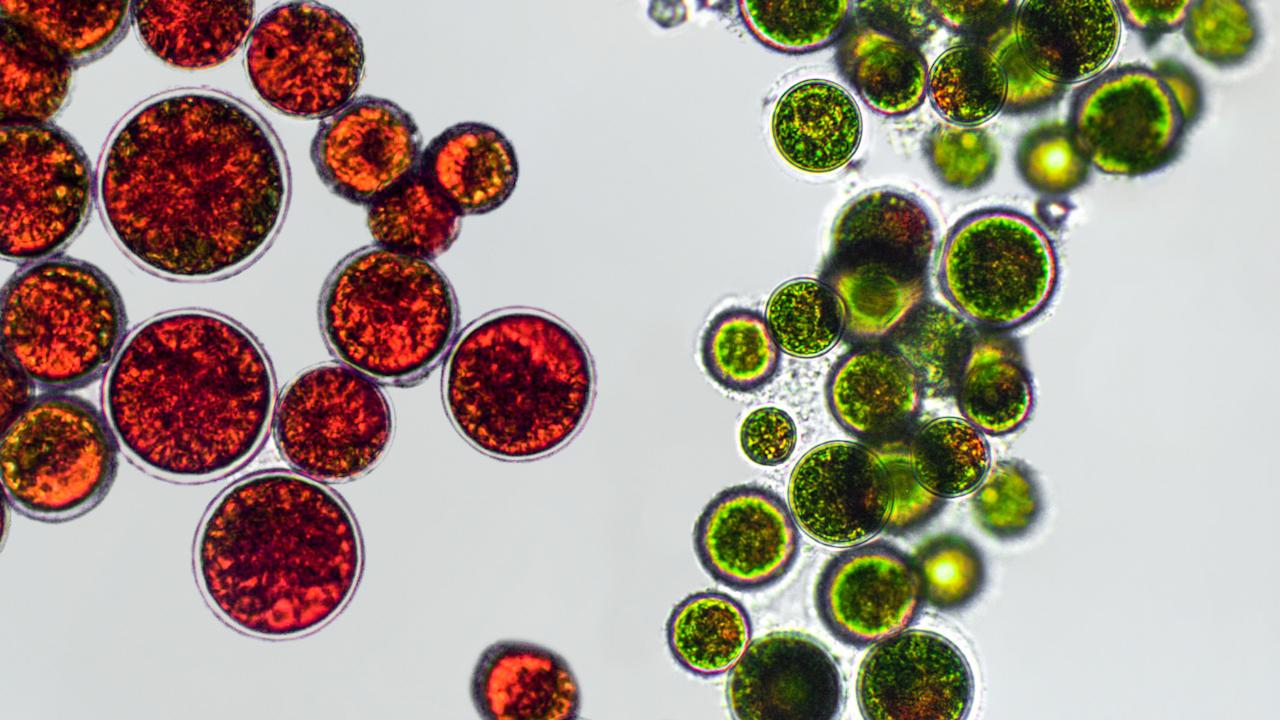
Haematococcus pluvialis is the leading commercial source of natural astaxanthin. This microalga can accumulate a high concentration of astaxanthin in its cells, particularly when exposed to controlled environmental stress during cultivation.
Microalgae-derived astaxanthin is produced by cultivating H. pluvialis, inducing astaxanthin accumulation, harvesting the biomass, and extracting the carotenoid. It is widely used in premium feed, aquaculture, dietary supplement, and cosmetic applications where natural-source labeling and product positioning are important.
Key features of microalgae-derived astaxanthin:
- Produced through controlled microalgae cultivation
- Derived from Haematococcus pluvialis, a major natural astaxanthin source
- Suitable for premium aquaculture feed and nutraceutical applications
- Often selected for natural-source positioning and high-value product markets
Yeast-Derived Astaxanthin
Phaffia rhodozyma, also called Xanthophyllomyces dendrorhous, is another important biological source of astaxanthin. Unlike microalgae cultivation, yeast-derived astaxanthin is produced through industrial fermentation, allowing controlled microbial growth and carotenoid production.
Yeast fermentation can offer a scalable and cost-efficient route for producing natural astaxanthin. It is particularly relevant for feed applications and industrial formulations where consistent supply, production efficiency, and fermentation-based sourcing are important considerations.
Key features of yeast-derived astaxanthin:
- Produced through fermentation using Phaffia rhodozyma
- A biological, non-chemical production route
- Suitable for scalable industrial production
- An important alternative to microalgae-derived natural astaxanthin
Synthetic Astaxanthin
Synthetic astaxanthin is produced through chemical synthesis rather than biological cultivation or fermentation. It has been widely used in aquaculture feed, especially for salmon and trout pigmentation, because it can be produced at industrial scale and offers a controlled supply route.
Synthetic astaxanthin production typically starts from petrochemical-based feedstocks and uses chemical processes to build the astaxanthin molecule. This source is commonly selected where cost efficiency, large-scale availability, and standardized feed formulation are the primary priorities.
Key features of synthetic astaxanthin:
- Produced through chemical synthesis
- Commonly used in aquaculture feed applications
- Suitable for large-scale and cost-controlled supply chains
- Different from naturally produced astaxanthin from microalgae or yeast
Natural vs. Synthetic Astaxanthin: What Are the Differences?
Natural and synthetic astaxanthin are not automatically interchangeable in every aquaculture application. Their differences in molecular form, stereoisomer profile, antioxidant behavior, pigmentation performance, bioavailability, and cost can influence feed formulation, color development, and purchasing decisions.
Comparison of Three Astaxanthin Sources
| Comparison | Haematococcus | Phaffia | Synthetic |
|---|---|---|---|
| Source | Microalgae | Yeast | Chemical synthesis |
| Production | Cultivation | Fermentation | Chemical process |
| Main form | Mainly esterified | Mainly free | Free |
| Main stereoisomer | 3S,3′S | 3R,3′R | 1:2:1 mixture of 3R,3′R, 3R,3′S, and 3S,3′S |
| Natural origin | Yes | Yes | No |
| Supply method | Cultivation | Fermentation | Industrial production |
| Cost | Often higher | Process-dependent | Often competitive |
Haematococcus pluvialis produces astaxanthin mainly in esterified form and is dominated by the 3S,3′S stereoisomer. Phaffia rhodozyma produces mainly free astaxanthin, with 3R,3′R as its principal stereoisomer.
Synthetic astaxanthin is generally supplied as a free, non-esterified molecule and as a mixture of stereoisomers in an approximate 1:2:1 ratio.
Which Astaxanthin Source Has Better Antioxidant Properties?
The antioxidant activity of astaxanthin is influenced by its molecular structure, stereoisomer profile, formulation, and the biological system being studied. Therefore, it is not accurate to assume that natural astaxanthin always provides stronger antioxidant activity than synthetic astaxanthin in every aquaculture feed application.
Astaxanthin stereoisomers matter. Natural astaxanthin from Haematococcus pluvialis is mainly the 3S,3′S form, while yeast-derived astaxanthin from Phaffia rhodozyma is mainly the 3R,3′R form. Synthetic astaxanthin contains a mixture of stereoisomers rather than a single isomer.
Free and esterified astaxanthin behave differently. Free astaxanthin is not attached to fatty acids, while esterified astaxanthin is bound to fatty-acid groups. Haematococcus-derived astaxanthin is predominantly esterified, whereas Phaffia-derived and synthetic astaxanthin are mainly free forms.
In aquaculture, antioxidant performance should be evaluated through practical indicators such as:
- ROS neutralization capacity
- Protection against lipid peroxidation
- Activity of antioxidant enzymes, including SOD, CAT, and GPx
- Oxidative-stress markers in fish or shrimp
- Stability of the astaxanthin ingredient during feed processing and storage
The most meaningful comparison is not “natural versus synthetic” in isolation. It is the performance of a specific astaxanthin product—considering its source, stereoisomer profile, esterification level, dosage, stability, and feed matrix—under the actual aquaculture conditions.
Which Astaxanthin Source Provides Better Pigmentation?
Astaxanthin pigmentation in fish and shrimp depends on how efficiently the pigment is absorbed, transported, deposited, and retained in target tissues. In salmon and trout, astaxanthin contributes to pink-red flesh color; in shrimp, it contributes to red coloration in the shell and body.
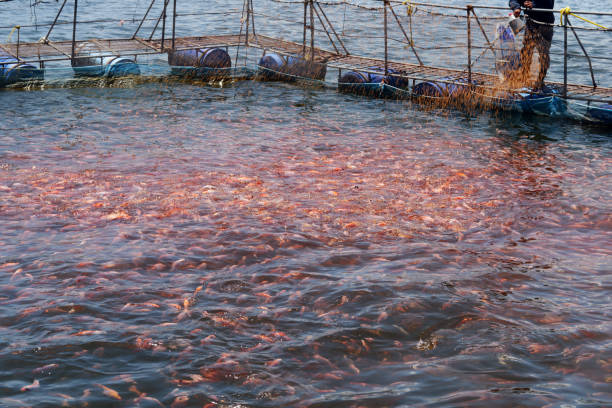
For astaxanthin in salmon coloration, pigment deposition in muscle tissue is the main commercial target. For astaxanthin for shrimp coloration, deposition in the exoskeleton and body tissues is more important. The required inclusion level and feeding duration differ substantially between species and production systems.
Research does not show that one source is always superior for pigmentation. In one rainbow trout study, synthetic astaxanthin produced more effective coloration than natural astaxanthin from H. pluvialis or P. rhodozyma under the tested conditions.
At the same time, natural astaxanthin can deliver strong pigmentation when the formulation, dosage, and feeding period are properly designed. For example, algal astaxanthin has been used in Atlantic salmon diets at 84.2 mg/kg feed for 15 weeks to support pink muscle coloration.
Factors that affect astaxanthin pigmentation include:
- Fish or shrimp species and life stage
- Astaxanthin dosage in the complete feed
- Feeding duration and finishing period
- Basal diet composition, especially lipid level and source
- Product form, such as powder, beadlet, emulsion, or encapsulated product
- Feed-processing conditions and pigment stability
- Water temperature, health status, and overall farm management
Bioavailability: How Well Can Aquatic Animals Absorb Astaxanthin?
Bioavailability refers to the proportion of ingested astaxanthin that can be digested, absorbed, transported, and deposited in target tissues. In fish nutrition, it is a key factor because a high astaxanthin content in feed does not always guarantee high pigment deposition in flesh or shell.
Astaxanthin is a lipophilic carotenoid, so its absorption is closely related to dietary fat, digestion, micelle formation, and intestinal uptake. The physical form of the ingredient also matters: particle size, dispersion, encapsulation, and compatibility with the feed matrix can all affect availability.
Free vs. esterified astaxanthin can show different digestive behavior. Free astaxanthin may be more readily accessible in some systems, while esterified astaxanthin from Haematococcus may require effective digestion and cell-wall disruption before the pigment becomes available for absorption.
Key factors affecting astaxanthin bioavailability:
- Particle size and dispersion in feed
- Cell-wall disruption of microalgal biomass
- Esterification level and molecular form
- Dietary lipid level and fatty-acid profile
- Emulsification or encapsulation technology
- Feed processing temperature and oxidation exposure
- Species-specific digestion and pigment-deposition capacity
A well-formulated astaxanthin product should therefore be evaluated not only by its labeled astaxanthin content, but also by its dispersibility, stability, digestibility, and tissue-deposition performance in the target aquatic species.
Which Astaxanthin Source Is More Cost-Effective?
Astaxanthin price and production cost vary widely across sources. Synthetic astaxanthin is often more cost-competitive because chemical synthesis can be conducted at industrial scale, while microalgae cultivation and yeast fermentation involve biological production, harvesting, extraction, and purification steps.
Haematococcus-derived astaxanthin is often positioned in premium markets because of its natural-source profile and high 3S,3′S esterified content. However, its cost can be higher due to cultivation time, biomass processing, extraction, and quality-control requirements.
Yeast-derived astaxanthin offers a fermentation-based natural route, and its economics depend strongly on strain performance, fermentation yield, downstream processing, and production scale.
For aquafeed manufacturers, cost-effectiveness should be calculated as cost per unit of pigment deposited, rather than simply comparing astaxanthin price per kilogram. A lower-priced raw material may not be the most economical choice if it delivers lower stability, poorer dispersion, weaker deposition, or a longer feeding period.
Why Choose Runtai Chemical as Your Astaxanthin Supplier?
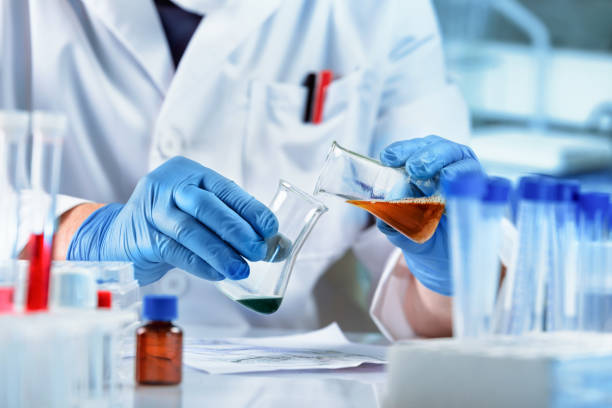
Runtai Chemical is a China-based astaxanthin supplier serving aquaculture feed manufacturers, animal-nutrition companies, exporters, and industrial buyers. We provide astaxanthin raw materials with clear specifications, documentation support, bulk packaging options, and responsive technical and commercial service.
Runtai Chemical supplies astaxanthin with CAS No. 472-61-7 in pharmaceutical-grade, food-grade, and feed-grade options. Our products are designed to support applications in aquaculture, animal nutrition, functional food, nutraceuticals, and cosmetics.
We offer astaxanthin in multiple concentrations and product forms to match different feed-production and formulation systems. Available formats include astaxanthin powder, oil suspension, and beadlets.
Runtai Chemical emphasizes standardized specifications, COA verification, and third-party testing to help customers maintain confidence in incoming raw materials. Our goal is to provide astaxanthin with consistent quality across repeat orders and support stable production.
Conclusion: Choosing the Right Astaxanthin for Aquaculture
Astaxanthin plays an important role in modern aquaculture, offering benefits beyond pigmentation. Its antioxidant properties make it a valuable feed ingredient for supporting the health, coloration, and overall performance of farmed fish and shrimp.
There is no single source that is ideal for every aquaculture application. The right choice depends on the target species, astaxanthin concentration, bioavailability, feed processing conditions, and overall formulation costs.
Runtai Chemical is committed to providing quality astaxanthin ingredients and professional supply support for international customers. Contact us to learn more about our astaxanthin products, request technical specifications, or get a competitive bulk quotation for your aquaculture feed applications.