Introduction
Lanolin, CAS 8006-54-0, often called wool wax or wool grease, is a remarkable natural substance derived from sheep’s wool. Known for its powerful moisturizing and protective properties, lanolin has been used for centuries in skincare, pharmaceuticals, and industrial applications. This versatile material is completely natural, renewable, and biodegradable — making it an environmentally friendly alternative to synthetic oils.
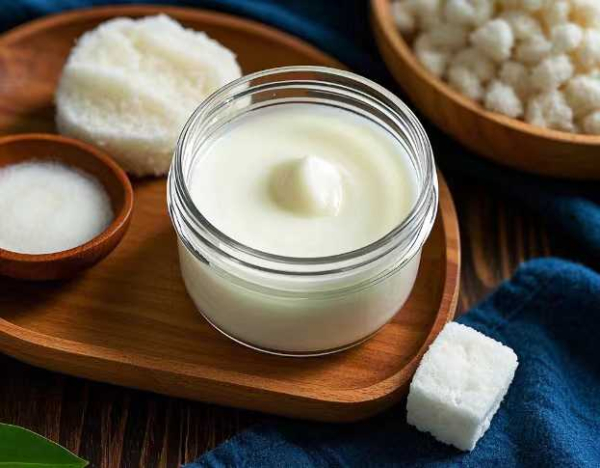 In modern industries, lanolin plays multiple roles: a deep moisturizer in cosmetics, a healing agent in medical ointments, and a rust inhibitor and lubricant in industrial formulations. Its unique chemical composition allows it to mimic the lipids naturally found in human skin, providing superior moisture retention and protection.
In this article, we’ll explore what lanolin is, its chemical properties, benefits, and applications across various fields — from beauty care to industrial manufacturing.
What Is Lanolin?
Lanolin is defined as a natural waxy oil extracted from wool. It is extracted and refined from wool cleaning solutions through physical methods, such as centrifugal separation during shearing and washing. Its main components are esters of sterols, fatty alcohols, and triterpene alcohols with approximately equal amounts of fatty acids, and a small amount of free fatty acids and hydrocarbons.
It is used in cosmetics, pharmaceuticals, and dermatology due to its emollient properties and film-forming capabilities. Lanolin exists as a complex mixture of esters, alcohols, hydrocarbons, and cholesterol derivatives, with its precise composition varying depending on the source and processing method. The substance is typically processed to remove impurities and may be refined into anhydrous lanolin or lanolin alcohols, depending on the intended application.
Chemical and Physical Properties of Lanolin
Lanolin CAS 8006-54-0 is a complex mixture whose physical state and properties make it semi-solid at room temperature:
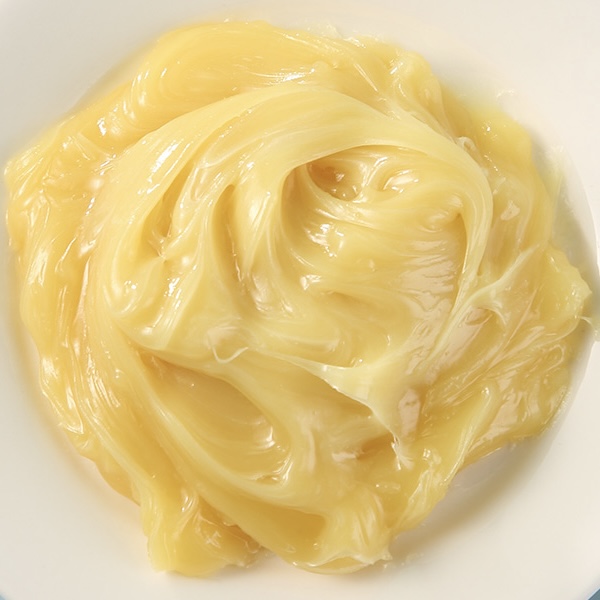
- Appearance and characteristics: A light yellow to yellow, viscous ointment like substance
- Density:0.932-0.940
- melting point: Usually between 38 and 44. This makes it easy to soften and apply when in contact with body temperature.
- Acid value: The acid value of refined lanolin is usually very low (less than 1.0 mgKOH/g), indicating a low content of free fatty acids and low irritability.
- Solubility: Lanolin is insoluble in water, but can be suspended in water when heated in a water bath. It is soluble in various organic solvents such as ether, chloroform, and toluene.
- Water absorption (hydrophilicity): Although it is insoluble in water, lanolin has amazing water absorption ability (also known as high hydrophilicity). It can absorb more than twice of its own weight of water to form a stable oil in water (W/O) lotion. These are the key lanolin properties that make it a highly effective moisturizer.
Chemical properties and application value
- Chemical stability: Lanolin has good chemical stability and is not easily oxidized or spoiled, which extends the shelf life of products containing lanolin.
- Strong adhesion: Lanolin has strong adhesion (or bonding force) and can tightly adhere to the surface of the skin and hair, forming a long-lasting protective film.
- Moisturizing and Moisturizing: Its unique wax ester and sterol components make it excellent in moisturizing and water locking, effectively reducing skin moisture loss through the skin (TEWL).
The Natural Source of Lanolin
Lanolin is often referred to as wool grease. This secretion is part of the self-protection system of sheep, naturally adhering to the wool fibers to prevent moisture loss and protect the skin and hair from adverse environmental damage. Its chemical composition is complex, mainly composed of esters, and it has excellent hydrophilicity and emulsifying properties.
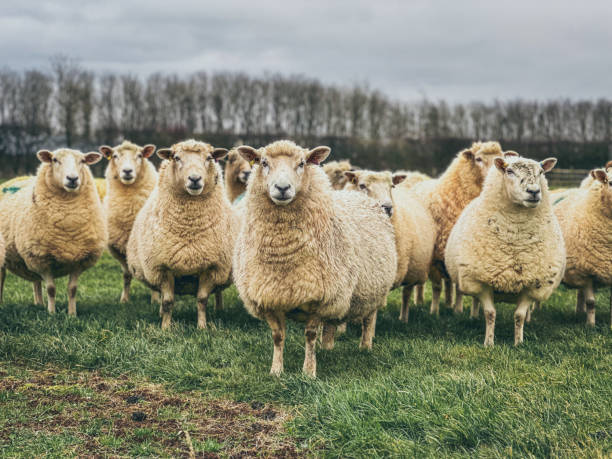
The acquisition of lanolin is a sustainable and ethical process. It is not produced separately, but rather a byproduct of wool shearing that is recycled. Lanolin is extracted from wool washing water by using physical methods such as centrifugation to clean the sheared wool. This method of obtaining lanolin natural sources is harmless to animals and fully utilizes the by-products of wool processing, reflecting the sustainable value and environmental advantages of natural materials.
Lanolin Production Process
Wool scouring and grease recovery
Raw wool enters a controlled cleaning process (scouring) in warm water with detergents to remove surface dirt, sweat, and impurities. The primary goal is to loosen and release the greasy lanolin from the wool fibers without degrading the wool itself. This step generates a water-rich emulsion in which lanolin begins to separate from the fiber matrix.
Gravity settling and pre-clarification are typically employed to reduce bulk impurities before the more intensive separation steps. This helps protect subsequent processing stages and improves overall yield consistency.
Centrifugation and separation
The wool grease (lanolin) is separated from the aqueous phase by high-speed centrifugation. This physical separation concentrates the grease into a crude lanolin-rich fraction, while the water phase is removed for further processing.
In some facilities, a secondary centrifugation or clarification step is used to further reduce water content and remove residual emulsified impurities, improving downstream refining performance.
Purification and deodorization
Purification involves removing remaining impurities, including pesticides, dirt, odors, and traces of contaminants introduced during scouring. Depending on the end-use requirements, purification steps may include filtration, bleaching, hydrogenation, or deodorization to achieve the desired clarity and odor profile.
For cosmetic-grade lanolin, deodorization and light bleaching are common to produce a lighter-colored product with milder odor, while pharmaceutical-grade lanolin undergoes stricter purification to meet stringent purity standards.
Bleaching and refining levels
Bleaching reduces color and enhances appearance, aiding product aesthetics in cosmetics. Deodorization removes odor-bearing compounds to improve user experience.
The refining level determines the end-use grade: pharmaceutical-grade lanolin (highest purity and lowest impurities), cosmetic-grade lanolin (balanced purity and sensory properties), or technical-grade lanolin (higher tolerance for certain industrial applications).
Quality indicators and end-use differentiation
Acid value, saponification value, iodine value, and unsaponifiable matter are key indicators used to characterize lanolin quality and refine level. Lower acid values and controlled saponification values typically indicate higher refinement suitable for sensitive topical formulations.
The proportion of ester-rich fractions, sterols, and non-saponifiable lipids influences emolliency, occlusivity, and stability in final formulations. Higher-quality, refined lanolin will have more predictable performance and compatibility with cosmetics and pharmaceuticals.
Advantages of Lanolin
Natural & Biodegradable
As a natural oil, lanolin has irreplaceable environmental advantages. It is completely derived from wool oil and is a 100% renewable raw material. The acquisition of lanolin is a by-product recovery during the shearing process, which conforms to the principles of sustainable development and avoids additional resource pressure on the environment.
This lanolin advantage not only meets the market’s demand for natural ingredients, but its excellent biodegradability also makes it a more attractive eco-friendly choice than many synthetic waxes and mineral oils
Deep Moisturization
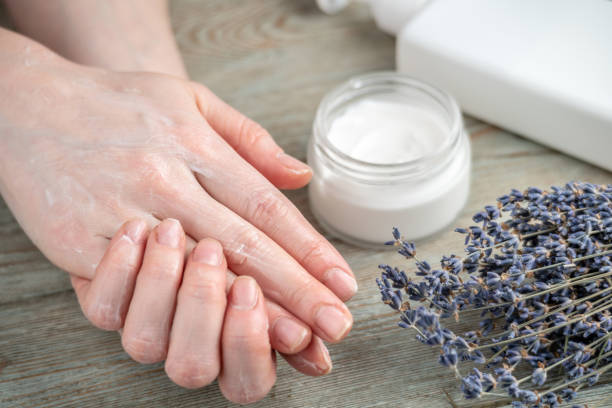 The core advantage of Lanolin in the field of skincare lies in its unparalleled deep moisturizing ability. Its complex natural ester structure allows it to absorb and lock in more than twice its own weight of water, which is extremely rare in natural oils.
This strong water absorption enables the application of lanolin for skin to effectively reduce transcutaneous water loss (TEWL), forming a breathable protective film on the skin surface. Unlike synthetic sealants, lanolin provides long-lasting, comfortable, and deep nourishment to the skin, making it an ideal repair ingredient for dry and damaged skin.
Excellent Adhesion
Lanolin has unique physical properties, making it highly valuable in industrial and cosmetic applications. It has strong adhesion and can tightly adhere to skin, hair, and even metal surfaces, providing a durable protective layer.
More importantly, the chemical composition of lanolin makes it a powerful natural water in oil (W/O) emulsifier. This characteristic enables it to stably mix water-based and oil-based ingredients, providing formulators with a safe, efficient, and multifunctional emulsion foundation.
Compatibility
The chemical structure of lanolin is similar to human skin sebum; therefore, it has excellent biocompatibility and mildness. This makes lanolin’s advantages suitable for a wide range of applications.
It is not only a basic safety material in cosmetics (such as lipstick and hand cream) and medical ointments, but also an important component in industrial formulas such as leather care and metal rust prevention. This multifunctionality, safety, and good compatibility with various active ingredients consolidate the position of lanolin as a core raw material in multiple fields.
Oxidation Resistance
In terms of product stability and shelf life, lanolin also exhibits significant Lanolin benefits. It has excellent antioxidant and chemical stability and can resist the effects of air oxidation and temperature changes, so it is not easily rancid or spoiled.
This stability ensures that cosmetics and medical ointments containing lanolin can have a longer shelf life and reliable performance, without overly relying on synthetic preservatives or stabilizers to maintain product quality.
Applications of Lanolin
Skin Care and Cosmetics
Lanolin is widely used in facial creams, hand creams, lip balms, and lotions due to its exceptional emolliency and barrier-supporting properties. It forms a protective, occlusive film on the skin that helps reduce transepidermal water loss, enhancing skin hydration and elasticity. Refined lanolin grades offer pleasant sensory attributes (color and odor) while maintaining compatibility with active ingredients, fragrances, and other emollients. In premium skincare, lanolin contributes to smooth application, long-lasting moisturization, and improved texture without a heavy or greasy feel.
Hair Care Products
In shampoos and conditioners, lanolin functions as a conditioning agent that nourishes hair, reduces dryness and split ends, and adds shine. Its film-forming properties help protect hair from environmental stressors such as humidity and heat, supporting manageability and a healthier appearance. Lanolin also contributes to improved combability and a luxurious, silky afterfeel in finished hair-care products.
Medical Applications
Lanolin serves as a versatile ointment base and emulsifier in topical formulations. It can aid drug absorption and provide a moisturizing vehicle for dermatitis and eczema therapies. Lanolin is commonly used in nipple creams and baby rash ointments because of its moisturizing effect and relatively gentle profile, provided appropriate safety labeling is observed for sensitive individuals.
Industrial Applications

Lanolin and its derivatives act as rust inhibitors, lubricants, and anti-corrosion agents for machinery and metal surfaces. They offer excellent adhesion, oxidation resistance, and protective properties in marine, automotive, and industrial contexts. Additional industrial uses include applications in printing inks, leather processing, fiber oil formulations, and as a versatile conditioning agent in various coatings and polishes.
lanolin safety
Lanolin is generally considered a safe and highly tolerated ingredient at recommended concentrations and refinement levels, especially suitable for dry and sensitive skin. Although it was once mistaken for a highly allergenic substance, modern clinical studies have shown that the risk of lanolin allergy caused by refined lanolin is extremely low. The cause of early allergic reactions is often the residual lanolin or pesticide impurities in crude lanolin.
The purity of lanolin is the core factor determining its safety. Runtai Chemical can provide high-purity lanolin that meets USP or EP grades. Our pharmaceutical grade lanolin undergoes a rigorous refining process to effectively remove free lanolin, detergent residues, and environmental pollutants such as pesticides, thereby minimizing the risk of allergies and irritation.
Precautions for use: Lanolin has a high degree of occlusive nature. Although this characteristic is beneficial for dry skin, it may clog pores. Therefore, it is not recommended to use it extensively on oily or acne-prone skin to avoid worsening the condition
Where to Buy Lanolin Oil in Bulk– Runtai Chemical as Your Lanolin Supplier
- Runtai Chemical provides high content pharmaceutical grade (lanolin USP/lanolin EP), cosmetic grade lanolin, and industrial grade lanolin, with high purity and compliance with international regulations.
- As a supplier of lanolin, we adhere to ISO and GMP standards. Each batch of supplies provides complete quality documents, such as COA and MSDS, to ensure product safety and batch consistency.
- We support multiple bulk packaging options and have extensive export experience to quickly and reliably deliver lanolin bulk to major global markets.
Conclusion
Lanolin, CAS 8006-54-0, stands out as one of nature’s most versatile and beneficial ingredients, bridging the gap between skincare, pharmaceutical, and industrial applications. Derived from sheep’s wool through a sustainable and cruelty-free process, lanolin offers exceptional moisturizing, protective, and stabilizing properties that synthetic materials often fail to match.
Its unique composition of natural wax esters and fatty acids enables deep hydration, skin repair, and long-lasting protection, making it an essential component in high-performance creams, ointments, and coatings. Beyond cosmetics, lanolin’s strong adhesion and corrosion-resistance make it highly valuable in industrial formulations such as lubricants and rust inhibitors.
Runtai Chemical supplies high-quality lanolin that meets international USP and EP standards. We ensure that every batch of products has consistent performance, safety, and quality. Whether you need pharmaceutical grade lanolin for skincare or technical grade lanolin for industrial use, Runtai Chemical is your trusted partner, providing you with reliable sources and professional support.
FAQs About Lanolin
What is lanolin made from?
Lanolin is a natural wax secreted from the sebaceous glands of sheep, collected from the wool during washing. It is cruelty-free and obtained without harming the animal.
What are the main benefits of lanolin for skin?
Lanolin provides deep moisturizing, helps repair damaged skin barriers, and protects against dryness and irritation. It is especially suitable for dry, sensitive, and cracked skin.
Is lanolin safe for sensitive skin?
Yes, high-purity lanolin (USP/EP grade) is generally safe and well-tolerated. However, people allergic to wool or sensitive to waxes should perform a patch test before regular use.
What are the industrial applications of lanolin?
Lanolin and its derivatives are used as rust inhibitors, lubricants, emulsifiers, and softeners in cosmetics, leather, textile, and metal processing industries.
What’s the difference between lanolin USP and lanolin EP?
Lanolin USP (United States Pharmacopeia) and EP (European Pharmacopeia) grades refer to pharmaceutical-quality standards. These grades ensure low impurities, high purity, and compliance with safety standards for cosmetic and medical applications.
Where can I buy bulk lanolin (USP/EP grade)?
You can source high-purity Lanolin USP and Lanolin EP directly from Runtai Chemical, a trusted global supplier providing customized grades, packaging, and full COA documentation.