Introduction
As the demand for sunless tanning products continues to grow, cosmetic manufacturers are increasingly seeking ingredients that can provide a natural-looking tan without UV exposure. Erythrulose, also known as DHB (Dihydroxybutanone), is a popular self-tanning ingredient that gradually develops a smooth, even, and long-lasting bronzed appearance on the skin.
Often used alongside 1,3-Dihydroxyacetone (DHA), Erythrulose helps improve color uniformity, reduce orange undertones, and enhance the overall tanning result. In this article, we will explore what Erythrulose is, how it works, its benefits in cosmetic formulations, key applications, and its safety profile in modern self-tanning products.
What Is Erythrulose (DHB)?
Erythrulose is a cosmetic-grade tanning ingredient widely used in sunless tanning formulations. It refers to a naturally derived ketose sugar that reacts with amino acids in the outer layer of the skin to produce a gradual, natural-looking tan.
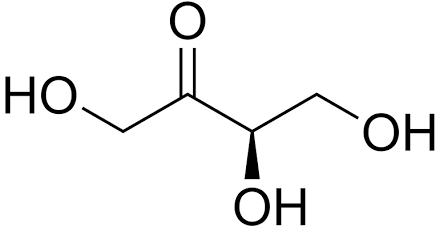
Erythrulose is typically produced through natural fermentation processes using sugars as raw materials. This bio-based origin makes it suitable for clean-label and naturally positioned cosmetic products, aligning with current market demand for sustainable and skin-friendly ingredients.
In the cosmetics industry, erythrulose (DHB) is positioned as a premium self-tanning agent. It is often used alone for gradual tanning effects or combined with DHA to enhance color development, improve uniformity, and reduce streaking. As an erythrulose ingredient, it is valued for delivering more even, longer-lasting color compared to faster-reacting alternatives.
Technical Specifications of Erythrulose (DHB)
| Item | Specification |
|---|---|
| Product Name | Erythrulose |
| CAS Number | 533-50-6 |
| Molecular Formula | C4H8O4 |
| Molecular Weight | 120.10 g/mol |
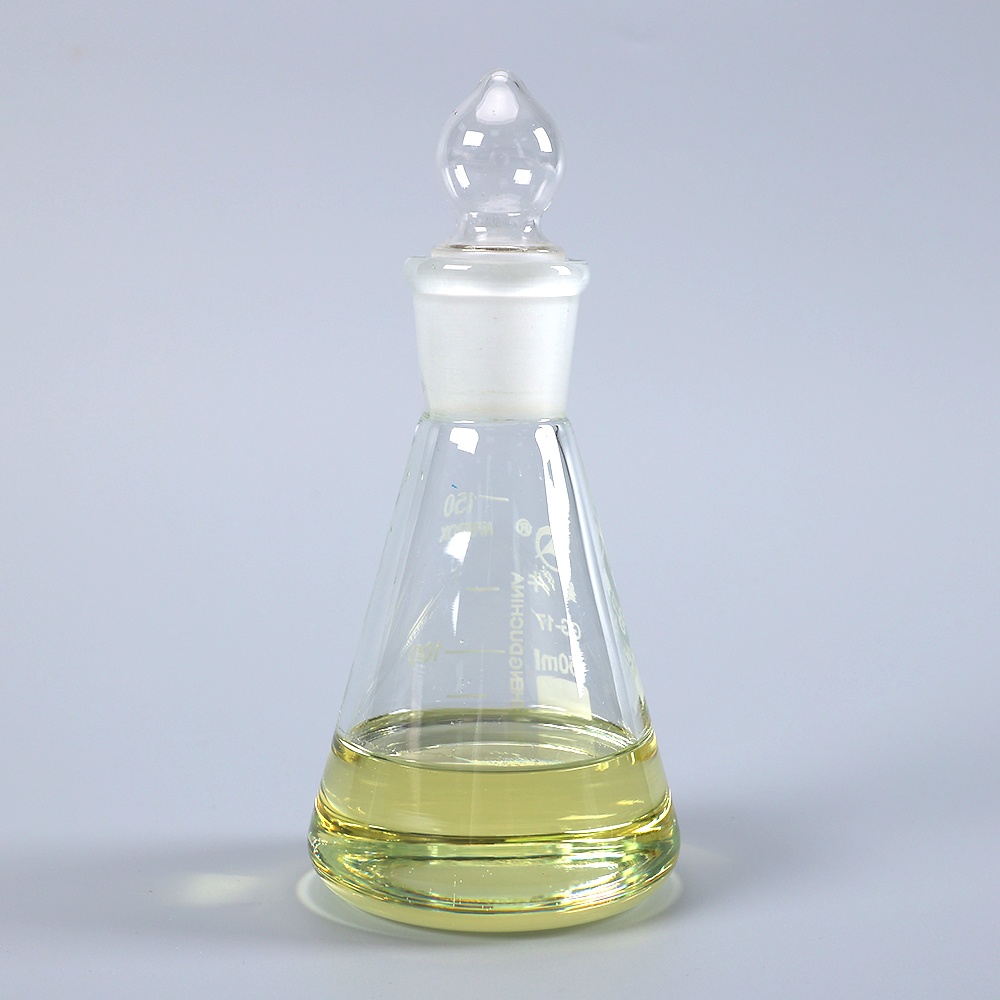
| Appearance | Yellow viscous liquid |
| Type | Self-Tanning Cosmetic Ingredient |
| Solubility | Water Soluble |
| Application | Cosmetics and Personal Care Products |
| Function | Sunless Tanning Agent |
| Storage method | Sealed, dry, protected from light, 2–8°C |
How Does Erythrulose Create a Sunless Tan?
Unlike sunbathing, which damages the DNA of skin cells to trigger melanin production, Erythrulose offers a completely safe, topical alternative that works entirely on the skin’s surface.
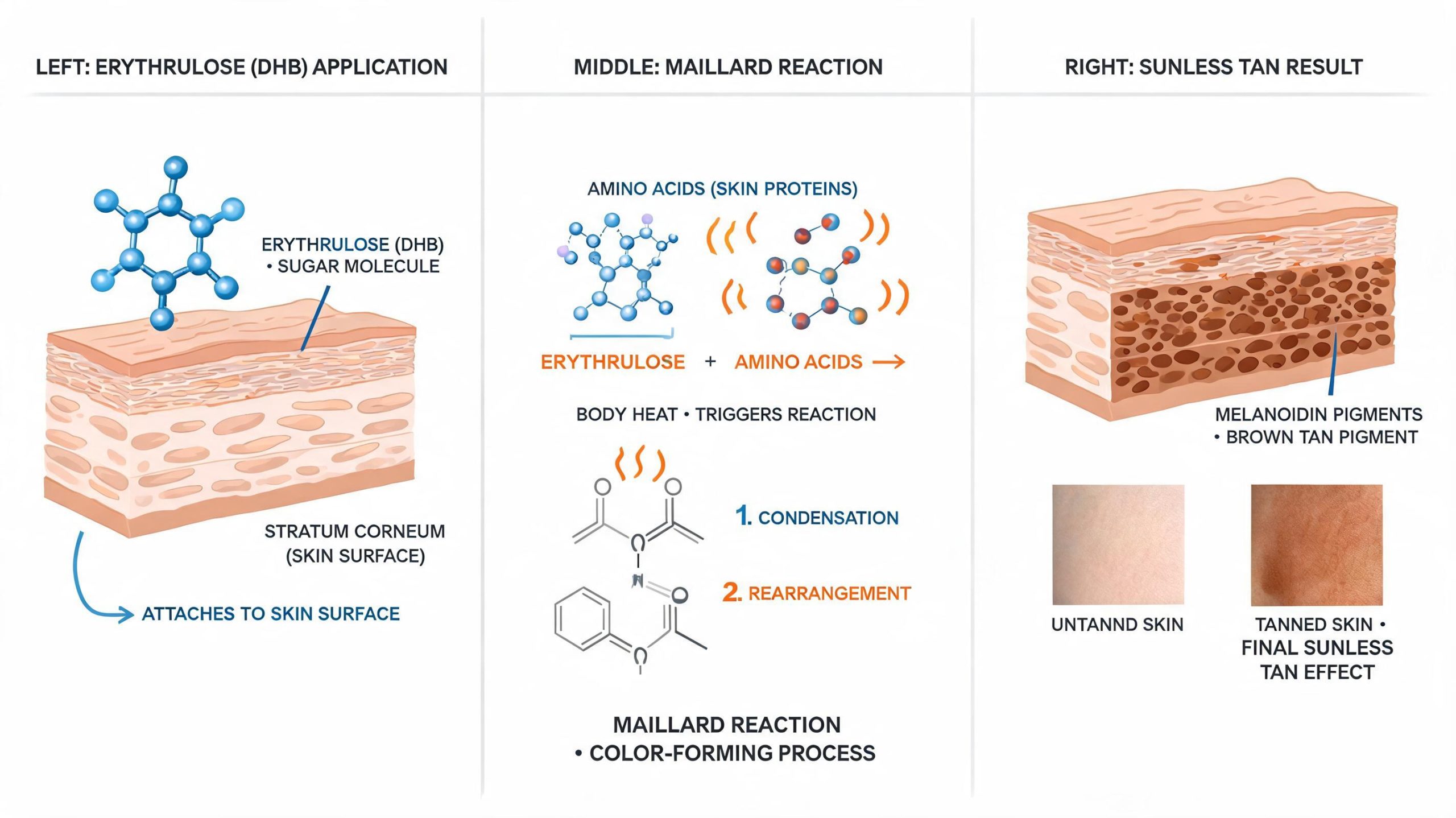
Specifically, erythrulose (DHB) interacts with free amino acids and proteins present in the skin’s surface. Through the Maillard reaction, the carbonyl group in the erythrulose structure reacts with these amino compounds to form brown-colored polymers called melanoidins. These pigments are responsible for the visible tanning effect. Since this reaction occurs only on the skin surface, the color gradually fades as the skin naturally exfoliates.
Unlike rapid tanning agents, erythrulose develops color more slowly, which contributes to a more even and natural-looking result. The tanning process typically follows a predictable timeline:
- Around 24 hours: Initial color begins to appear, usually light and subtle.
- Around 48 hours: The tan becomes more noticeable and continues to deepen.
- Around 72 hours: The color reaches its full development, resembling a natural skin tone.
This slower color development is a key advantage of erythrulose. It reduces the risk of streaking or patchiness and allows for better control during application. For this reason, erythrulose is often used alongside DHA to balance immediate and delayed tanning effects, resulting in a smoother, longer-lasting finish.
Key Advantages of Erythrulose in Self-Tanning Products
Erythrulose is recognized as a premium self tanning ingredient due to its ability to deliver high-quality, natural-looking results while improving overall formulation performance. As a modern erythrulose tanning agent, it addresses several common issues associated with traditional sunless tanning products.
More Natural-Looking Tan
One of the key benefits of erythrulose is its ability to produce a tan that closely resembles a natural sun-induced skin tone. Because of its slower reaction rate, the color develops gradually and blends more seamlessly with the user’s natural complexion, avoiding the artificial or overly dark appearance often seen with faster-acting ingredients.
Reduced Orange Appearance
A common challenge in self-tanning products is the development of unwanted orange or yellow undertones. Erythrulose helps minimize this effect by forming more balanced brown pigments during the Maillard reaction. When used alone or in combination with DHA, it significantly improves the overall tone, resulting in a more neutral and realistic tan.
Longer Lasting Results
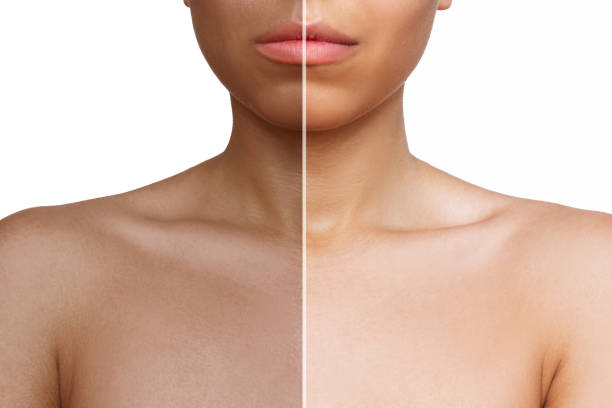
Another important erythrulose advantage is its extended color longevity. The melanoidins formed by erythrulose tend to degrade more slowly compared to those produced by other tanning agents. This means the tan fades more evenly over time, reducing the need for frequent reapplication and enhancing product value for end users.
Better Color Uniformity
Erythrulose contributes to improved color consistency across the skin. Its gradual development reduces the likelihood of streaks, patches, or uneven areas, which are common concerns in self-tanning applications. This makes it especially beneficial for formulations targeting beginner users or premium skincare markets.
Improved User Experience
By delivering a natural tone, longer-lasting results, and more even application, erythrulose significantly enhances the overall user experience. Consumers benefit from easier application, more predictable outcomes, and higher satisfaction with the final appearance. These advantages position erythrulose as a preferred choice for brands looking to develop high-performance, premium self-tanning products.
Benefits of Erythrulose in Cosmetic Formulations
Compatible with DHA Systems
Erythrulose shows excellent compatibility with DHA, the most commonly used self-tanning active. When combined, the two ingredients create a synergistic effect: DHA delivers faster initial color, while erythrulose ensures gradual development and improved tone. This combination helps reduce streaking, balance undertones, and achieve a more natural and uniform tanning result.
Suitable for Various Formulations
Erythrulose in formulations is adaptable across a wide range of product types. Its water solubility and stability allow it to be easily incorporated into creams, lotions, mousses, gels, sprays, and serums. This flexibility enables formulators to develop diverse product lines targeting different consumer preferences and application methods without compromising performance.
Enhanced Color Stability
Another important benefit is improved color stability within the formulation. Erythrulose helps reduce issues such as formula darkening over time and uneven color changes during storage. When properly formulated and protected from oxidation, it contributes to a more stable product appearance and consistent performance throughout shelf life.
Premium Product Positioning
Using erythrulose supports the development of premium self-tanning products. Its ability to deliver natural-looking, long-lasting, and uniform results aligns with the expectations of high-end cosmetic brands. It also fits well with clean beauty and naturally derived ingredient trends, adding marketing value to finished products.
Improved Consumer Retention
By enhancing application experience and final results, erythrulose contributes to higher consumer satisfaction. Products formulated with erythrulose are more likely to deliver consistent, predictable outcomes, which helps build trust and encourages repeat purchases. This makes it a strategic ingredient not only for formulation performance but also for long-term brand loyalty.
Main Applications of Erythrulose in the Cosmetics Industry
Erythrulose is widely used across a variety of self-tanning products due to its versatility, stability, and ability to deliver natural-looking results.
Self-Tanning Lotions
Erythrulose is commonly used in self-tanning lotions, where it helps create a gradual and even tan. These formulations are জনপ্রar for daily use, offering hydration alongside controlled color development. The inclusion of erythrulose improves tone uniformity and reduces streaking, making lotions suitable for a broad consumer base.
Self-Tanning Mousses
In self-tanning mousses, erythrulose contributes to lightweight, fast-absorbing formulas that are easy to apply. Mousses are often preferred for their smooth application and quick drying time. Erythrulose enhances the final color result by ensuring a more natural and less patchy finish.
Tanning Sprays
Tanning sprays benefit from the water solubility of erythrulose, allowing for fine, even distribution across the skin. In spray applications, erythrulose helps reduce uneven buildup and supports consistent color development, which is especially important for hard-to-reach areas or professional spray tanning.
Gradual Tanning Products
Erythrulose is ideal for gradual tanning products designed to build color over multiple applications. Its slower reaction rate allows users to control the depth of their tan over time. This makes it particularly suitable for beginners or consumers seeking subtle, customizable results.
Professional Salon Tanning Systems
In professional salon tanning systems, erythrulose is often combined with DHA to optimize both immediate and long-term tanning effects. It helps technicians achieve more predictable, uniform results while improving client satisfaction. Its role in reducing streaking and enhancing tone makes it valuable in high-end service settings.
Hybrid Skincare-Tanning Products
Erythrulose is increasingly used in hybrid products that combine skincare benefits with tanning effects, such as moisturizers, serums, and anti-aging treatments with self-tanning properties. As part of these erythrulose cosmetic uses, it allows brands to offer multifunctional products that align with current consumer trends focused on efficiency and skin health.
Recommended Use Levels of Erythrulose in Cosmetic Formulations
Common erythrulose concentration ranges include:
-
Daily tanning lotion: 1–3%, suitable for gradual color build-up and everyday use.
-
Self-tanning lotion: 3–7%, designed for more visible results within a shorter timeframe.
-
Professional tanning products: 5–10%, used in salon-grade formulations for deeper, longer-lasting color.
In addition to dosage, pH control is critical for optimal performance. Erythrulose is most stable and effective within a pH range of approximately 3 to 7. Formulations outside this range, particularly alkaline systems, may lead to faster degradation, reduced tanning efficacy, and potential color instability.
From a compatibility standpoint, erythrulose works well in aqueous systems and can be combined with common cosmetic ingredients such as humectants, emollients, and mild preservatives. However, formulators should minimize exposure to strong oxidizing agents, excessive heat, and metal ions, as these factors can negatively impact stability.
Is Erythrulose Safe? Safety Profile and Potential Side Effects
Skin Safety and Low Irritancy
Compared to synthetic dyes or rapid-acting tanning chemicals, Erythrulose is incredibly gentle on the skin matrix. Because it reacts exclusively within the stratum corneum (the dead, outermost layer of skin cells) and does not penetrate into the living dermis, it carries a very low risk of systemic absorption or irritation. Clinical evaluations show that it is non-sensitizing and hypoallergenic, making it an excellent cosmetic safety ingredient for sensitive facial skin care and long-term full-body applications.
Non-UV Tanning Process
The ultimate health benefit of Erythrulose is its ability to bypass the dangers of solar radiation. Traditional tanning methods require prolonged ultraviolet (UV) exposure, which damages skin cell DNA, accelerates photo-aging, and increases the risk of skin malignancies. As a non-UV Erythrulose tanning agent, it generates a rich, golden complexion through a safe, chemical-free-looking Maillard reaction on the surface, offering consumers a completely risk-free alternative to sunbathing or tanning beds.
Global Regulatory Status
Erythrulose enjoys widespread regulatory approval and high global cosmetic market acceptance. For manufacturing and distribution, it fully complies with the world’s strictest personal care frameworks.
Why Choose Runtai Chemical as Your Erythrulose(DHB) Supplier?
Runtai Chemical is a reliable erythrulose supplier in China, offering high-quality DHB for global cosmetic applications. With strict quality control, each batch ensures consistent purity and stable performance in self-tanning formulations.
We provide a stable global supply with scalable production capacity, supporting both small and bulk orders with timely delivery. Our competitive pricing helps customers optimize costs while maintaining product quality.
Runtai also offers professional technical support, including formulation guidance and application advice, helping clients develop effective self-tanning products. A complete documentation package (COA, MSDS, TDS) is available to support international compliance.
With extensive export experience, Runtai Chemical is a trusted erythrulose manufacturer and wholesale supplier for long-term global partnerships.
Conclusion
Erythrulose has become an essential ingredient in modern sunless tanning formulations due to its ability to deliver a natural, even, and long-lasting bronzed skin tone. When used alone or in combination with DHA, it significantly improves color quality, reduces unwanted orange tones, and enhances overall product performance in self-tanning applications.
With its excellent safety profile, good formulation compatibility, and growing global demand, Erythrulose is widely used in lotions, mousses, sprays, and professional tanning systems. It has become a key active ingredient for cosmetic brands aiming to develop high-quality sunless tanning products.
As a reliable global supplier of cosmetic raw materials, Runtai Chemical provides high-purity Erythrulose (DHB) to support formulators and manufacturers in developing stable and effective self-tanning solutions. Consistent quality and professional supply service make Runtai Chemical a trusted partner for long-term cooperation in the cosmetic ingredient industry.